Cardboard Recycling: 8 Ways to Manage Boxes in Winter Garden
October 1, 2026Thanksgiving recycling gets easier when the plan begins before the first guest arrives. A holiday meal brings together grocery packaging, drink containers, serving supplies, delivery boxes, leftovers, and decorations in a way an ordinary dinner rarely does. Once the table is cleared, it can be tempting to collect everything quickly and decide where it belongs later. That shortcut makes the job harder. Food ends up beside clean paper, guests use whichever container they notice first, and the host finishes the evening sorting a mixture that could have been kept separate from the beginning. A little preparation creates a calmer cleanup and a more useful recycling collection.
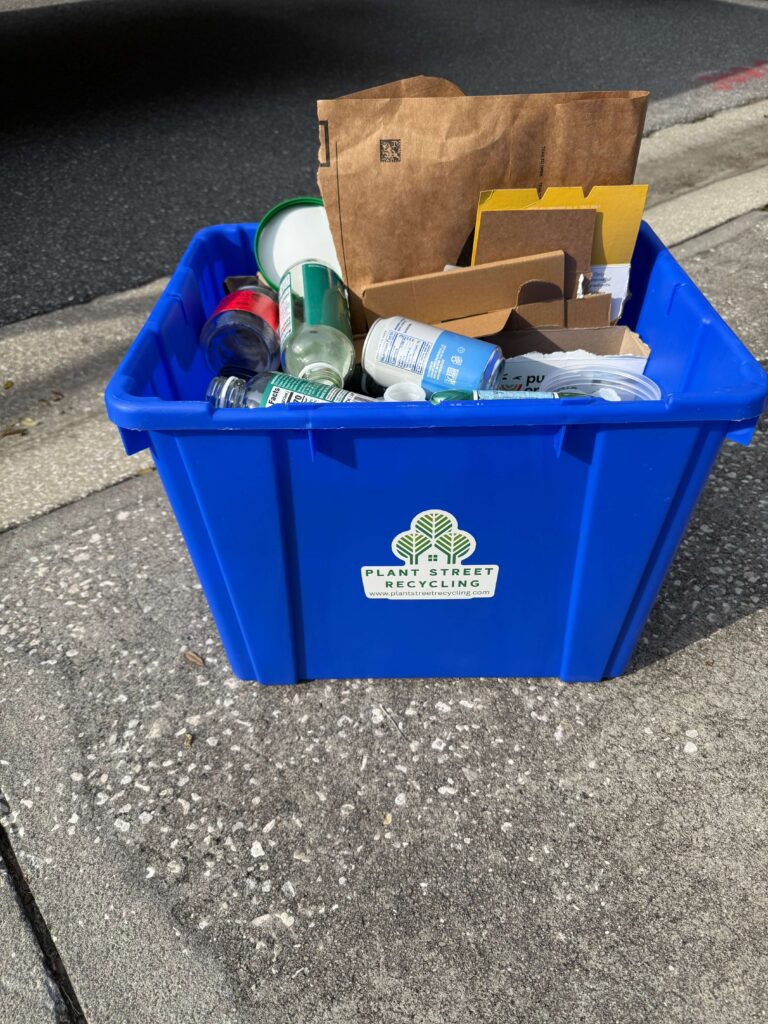
For Winter Garden households, the goal is to work with the materials your service actually accepts. Plant Street Recycling offers weekly curbside collection for everyday household recyclables, including paper, cardboard, plastic containers, glass bottles and jars, and aluminum cans. Holiday packaging still needs to meet the program’s requirements. A recyclable-looking tray, a compostable plate, and a glass baking dish are not automatically equivalent to the familiar containers listed in the service guidelines. This Thanksgiving recycling guide focuses on the decisions a host can make before, during, and after the meal, helping the household recover appropriate materials without turning every uncertain item into a guess.
1. Plan the Cleanup Alongside the Meal
When you make the shopping list, think about what will be left after the food is prepared. A breakfast casserole may involve a paperboard carton, a plastic ingredient container, and food scraps, while beverages introduce bottles and cans. Notice those categories early and decide where they will go during preparation. Keep the current Plant Street Recycling guidelines available for anyone helping in the kitchen. You do not need to memorize every possible package. You need an easy way to recognize the familiar accepted items and pause when an unfamiliar material needs a different answer.
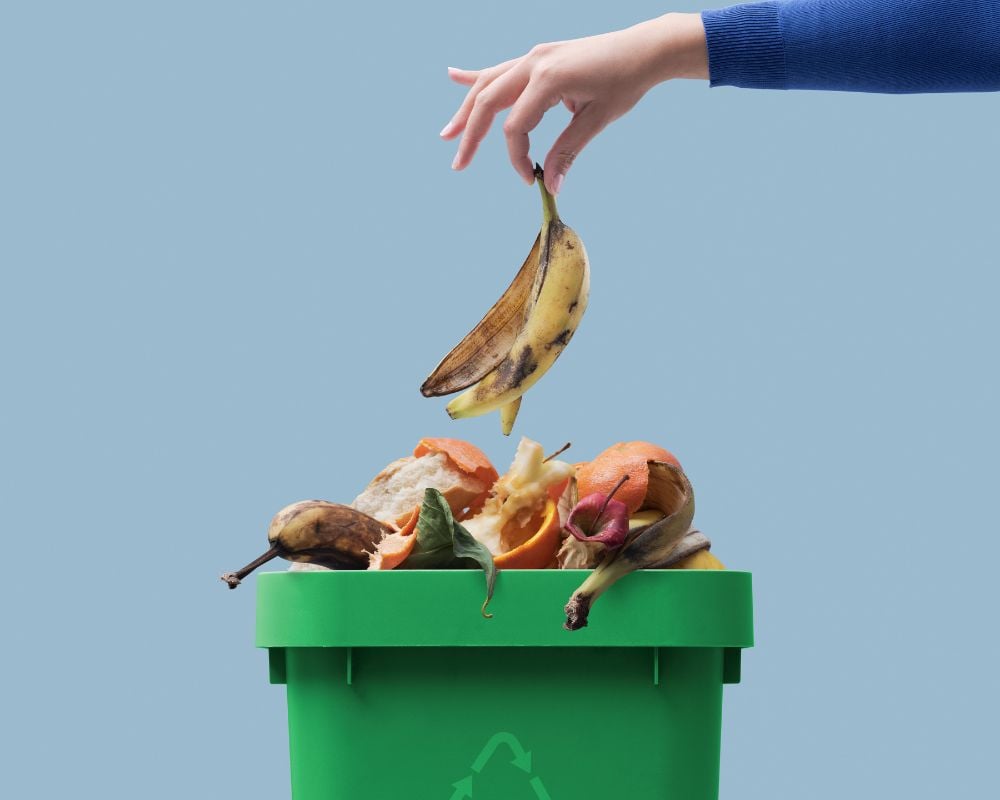
Assign one adult to explain the arrangement to other helpers. A clear plan can be as simple as one place for accepted recyclables, another for ordinary trash, and a separate container for food scraps if your household has an appropriate way to manage them. That food container is not part of curbside recycling. Its purpose is to prevent scraps from being mixed with bottles, cans, and paper while you follow your own suitable disposal or composting routine. Keeping the tasks distinct during preparation reduces the amount of sorting needed after the meal, when everyone is ready to sit down or head home.
2. Make Guest Instructions Easy to Understand
Guests should be able to follow your system without asking the host about every empty container. Put the accepted-recycling collection point near the area where people clear drinks and dishes, and label it with a few actual examples. Empty glass bottles and aluminum drink cans are clearer instructions than a broad statement that everything recyclable belongs here. The label should reflect your service’s current requirements, not a generic internet graphic that includes materials your provider may not collect. Keep ordinary trash nearby so guests do not use the recycling container simply because it is the only convenient option.
For a large gathering, explain the arrangement once at the beginning and give the same information to adults helping with cleanup. A brief reminder is enough: empty the drink, keep food out, and place only the listed materials in the recycling collection point. Avoid asking children to handle glass or unfamiliar containers. They can help with safe tasks under adult supervision, such as identifying an empty paperboard box. The aim is to make the correct action straightforward for everyone, allowing guests to participate without feeling that the meal has become a test of their knowledge about recycling symbols.
3. Separate Food From Packaging Before Sorting
The biggest Thanksgiving recycling question often concerns the food attached to the container rather than the container alone. Empty leftover ingredients, sauces, or drinks before setting appropriate packaging aside. Remove food pieces from boxes and other accepted materials, and follow the provider’s instructions for cleaning. Recycling is not a destination for turkey scraps, mashed potatoes, gravy, or a plate still covered with dessert. The EPA’s guidance on common recyclables emphasizes checking local rules because acceptance and preparation can differ. Use that principle to avoid applying one household’s experience to every container on your holiday table.
Do the separation at the place where dishes are being cleared. When a helper can empty a container before it reaches the recycling area, the next person does not have to reopen a mixed collection to remove food. Keep liquids from spilling onto paper and cardboard while the cleanup moves along. If a container’s material or condition is uncertain, set it aside briefly for an adult to check rather than placing it into recycling with the hope that someone else will decide later. A small number of unresolved items is easier to manage than a full container of mixed waste.
4. Give Bottles, Jars, and Cans Their Own Check
Holiday meals can produce several familiar accepted containers, including glass food jars and aluminum beverage cans. Empty them and prepare them according to the service instructions before collection. A jar that held an ingredient still needs its remaining contents removed; a drink can should not arrive half full. Take a moment to identify what the item actually is instead of relying on a broad material category. A glass bottle is not the same product as a drinking glass, and a food can is not automatically equivalent to every piece of metal used in cooking or serving the meal.
Keep broken glass and sharp unfamiliar items out of an ordinary guest collection point. Ask the provider about the appropriate handling rather than assuming that any glass item belongs with bottles and jars. For containers with lids, follow the current instructions or ask when the answer is unclear. A holiday event can bring packages the household rarely uses, so it is reasonable to encounter a few questions. Clear identification is more useful than confident guessing. The goal is to send the materials the program can accept in the condition it requests, rather than fill the bin with everything that shares a similar appearance.
5. Check Aluminum Trays and Specialty Packaging First
A disposable roasting pan may look similar in material to a drink can, but that does not establish that the same collection rules apply. Plant Street Recycling lists everyday accepted categories, and a host should confirm unfamiliar trays, foil products, and other specialty items directly. Do not write your own expanded acceptance list based on what another city or service collects. The same caution applies to insulated food delivery packaging, coated cartons, and packages made from several materials. Separate the question from the rest of the cleanup so accepted containers can be managed normally while the uncertain item receives a specific answer.
When contacting the team, describe the item rather than asking whether metal or plastic is recyclable in general. A photograph of the packaging and any material information can help make the question clear. Ask whether the item is accepted and how it should be prepared if it is. If the item does not belong in the curbside program, follow the appropriate local disposal instructions. This approach prevents one broad assumption from becoming a repeated household habit. Thanksgiving can be a useful time to resolve a few unfamiliar packaging questions and keep the answer available for the next family gathering.
6. Keep Plates, Napkins, and Serving Supplies Distinct
A table may include reusable dishes, disposable plates, napkins, cutlery, and serving pieces. They should not all enter the same collection simply because they were used for the same meal. A paper appearance does not establish that a food-covered plate belongs with clean paperboard, and a plastic utensil is not automatically an accepted kitchen container. Keep the cleanup instructions focused on the actual examples the provider accepts. If you choose reusable tableware you already own, arrange a practical place for it to be collected and washed so guests do not mistake it for disposable material.
Products described as compostable also require the right destination. That label is not permission to place an item in curbside recycling, and the appropriate composting arrangement may differ from a household backyard setup. Check the instructions for the product and the receiving program before treating it as part of a compost collection. If you do not have a confirmed route, do not improvise one during cleanup. The useful distinction is between what a product is designed to do under particular conditions and what your actual service can accept. Keeping that distinction visible prevents a well-intended purchase from becoming a sorting mistake.
7. Handle Grocery Boxes and Delivery Packaging Early
Prepare accepted cardboard and paperboard packaging while you are unpacking ingredients rather than leaving every box for the end of the event. Open the package fully, remove loose contents and separate packing materials, and flatten boxes as directed. This creates more room in the household’s temporary storage area and helps you notice anything that should not be collected with the cardboard. A box used to deliver serving supplies may contain plastic film, a foam insert, or another material with a different destination. The outside package does not determine the route for everything inside it.
Keep the prepared cardboard away from spilled drinks, food preparation, and exposed outdoor storage. Florida weather can change quickly, and a pile beside the garage may be wetter or more scattered by the time you return to it. Choose a protected place that does not block a doorway or walking route, and move the accepted material to the collection arrangement according to the provider’s instructions. If the holiday creates more cardboard than the normal setup can manage, ask about the appropriate option before assuming that a large loose pile beside the bin will be collected in the same way.
8. Make Leftover Planning Part of Waste Prevention
Recycling packaging is useful, but it is not the only way to improve the holiday cleanup. Think about leftovers before serving and identify containers the household can reuse safely for food. Ask guests in advance if they plan to take food home so you can organize the handoff instead of searching for disposable containers after the meal. Follow appropriate food-safety guidance for storing and distributing leftovers. The waste-prevention point is simple: planning the containers and the people who will use them can reduce unnecessary last-minute packaging and keep useful food from becoming part of a confused cleanup pile.
Avoid turning reuse into storage without a purpose. Keep containers that are suitable for the intended task and likely to be used, and let go of a growing collection that no one can identify or manage. The same applies to decorations and serving supplies. Store the items you expect to use again in a way that protects them and makes them easy to find. The EPA’s household waste-reduction suggestions encourage reducing, reusing, and recycling as related actions. A practical holiday plan can include all three without requiring a perfectly waste-free meal or a completely new set of household equipment.
9. Confirm the Holiday Pickup Arrangement
Do not assume that a holiday week follows an ordinary schedule or that it automatically changes the regular route. Check the current pickup schedule and any direct service communication relevant to your address. If a detail is unclear, contact the team before setting materials out. Thanksgiving recycling should be planned around confirmed instructions, especially when a household will be traveling or hosting overnight guests. A neighbor’s normal pickup day does not establish the arrangement for every address, and a remembered schedule from a previous year may not answer the current holiday question.
After collection, reset the area before the next round of visitors or deliveries. Check that the temporary guest collection point has been emptied appropriately, return reusable equipment to its place, and note any unresolved packaging questions. This last step makes the routine easier next time. You do not need to keep an elaborate report, but a brief household note about an accepted item or a confusing label can prevent the same uncertainty from appearing at every gathering. A good holiday system should become simpler with use because the people responsible understand what worked and which part needs a small adjustment.
A Practical Thanksgiving Cleanup Example
Imagine a Winter Garden household hosting relatives for dinner. Before guests arrive, an adult sets up a clearly identified place for empty accepted drink containers and keeps ordinary trash close by. Grocery boxes are flattened during food preparation, so they never become part of the crowded after-dinner counter. Helpers remove leftover food before placing appropriate packaging into the recycling collection point. An unfamiliar roasting tray is set aside for a provider question instead of being mixed into the accepted cans. The example is a suggested workflow, not a report of a customer event, and it shows how a few decisions can keep the cleanup more organized.
The host then checks the household’s confirmed pickup instructions and moves the materials into the appropriate collection arrangement. Reusable dishes go to washing, leftovers go into suitable containers, and other waste follows the correct route. None of those actions requires the host to identify every packaging material from memory. The system works because familiar accepted items are easy to recognize and uncertain ones have a clear next step. That is the most useful goal for Thanksgiving recycling: reduce the number of decisions made in a hurry, while keeping the final collection aligned with the service that will actually receive it.
What If a Guest Uses the Wrong Container?
Correct the mistake calmly while the material is still easy to identify. An adult can redirect a familiar empty container or remove an inappropriate item using suitable care. Avoid reaching into a mixed collection when broken glass, sharp objects, or another hazard may be present. Clarify the label or explain the intended examples so the same confusion does not continue. The useful response is to improve the arrangement, not embarrass the guest. A better sign or a conveniently placed trash container may solve the problem more effectively than repeating a general request to recycle correctly.
Get Help With Thanksgiving Recycling in Winter Garden
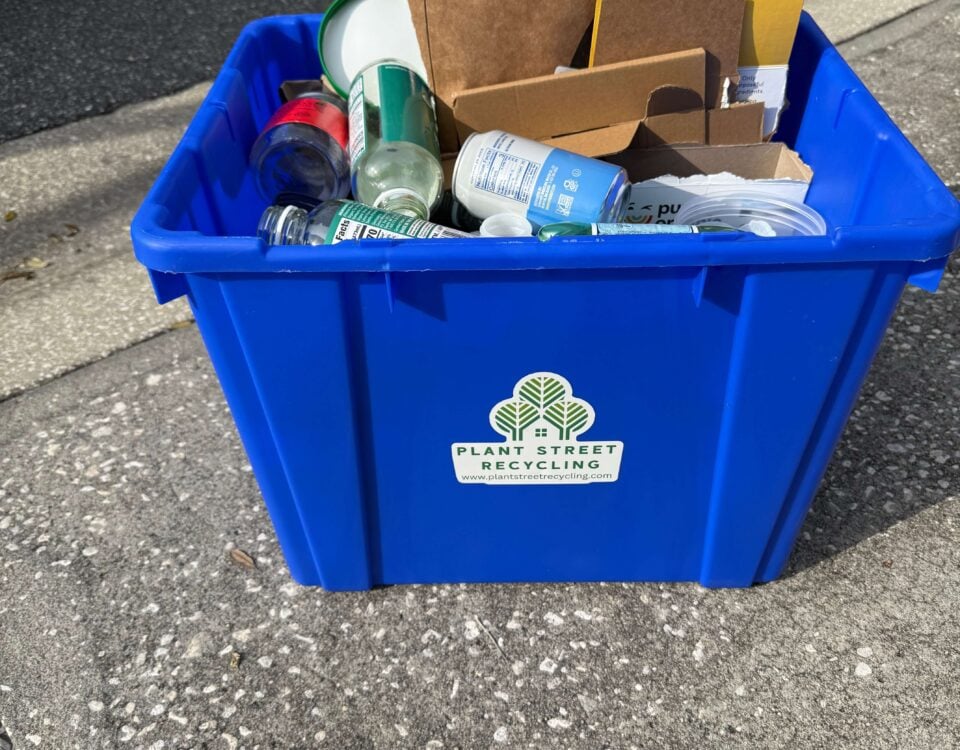
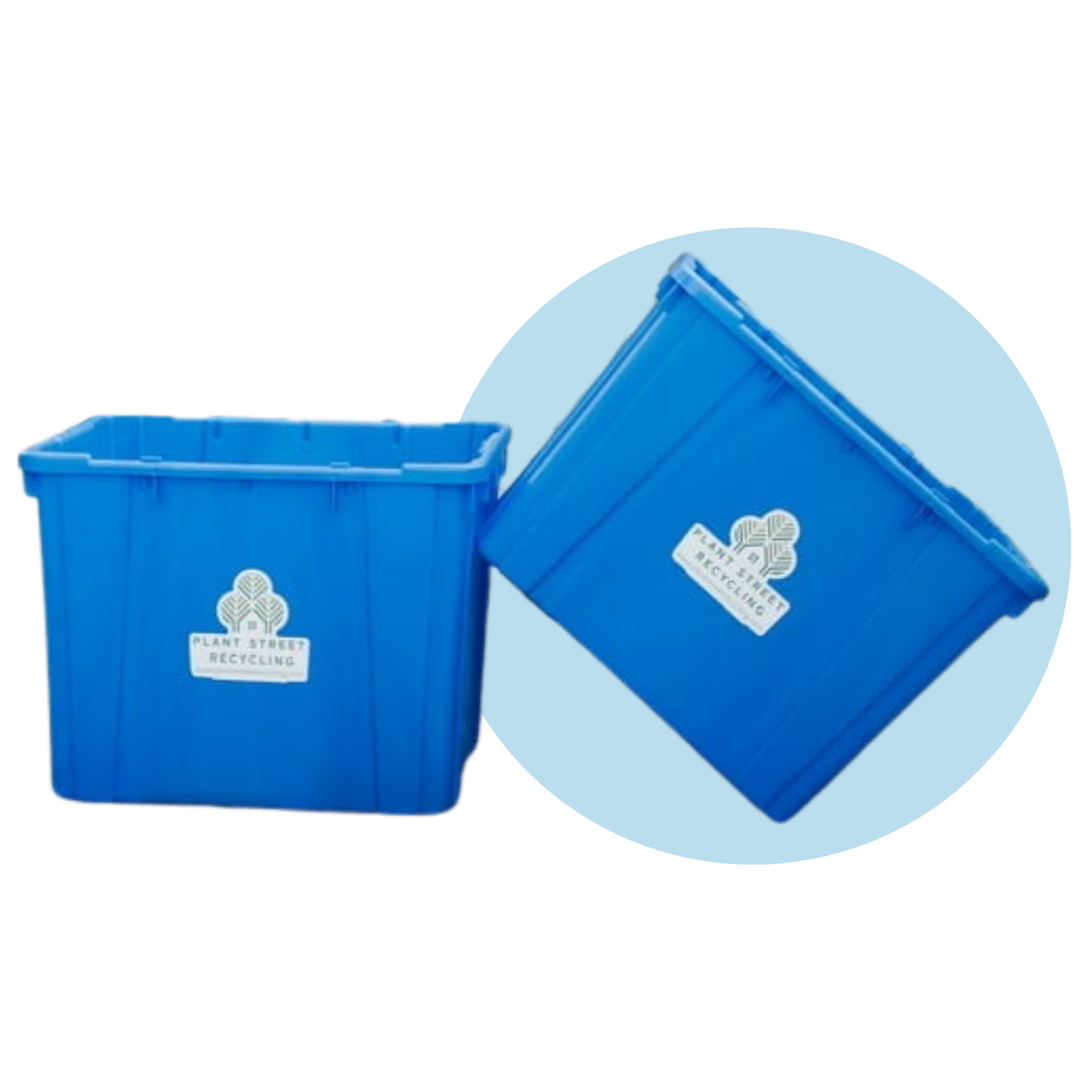
Plant Street Recycling gives Winter Garden households a local curbside option for everyday accepted materials. The service currently includes two 14-gallon bins and weekly collection, with signup and address details available through the registration page.
A successful holiday cleanup does not need to be complicated. Prepare a clear collection point, keep food separate from packaging, protect clean cardboard, and follow the confirmed pickup instructions for your household. Give guests simple examples and let unfamiliar items wait for a specific answer. Thanksgiving recycling becomes more manageable when the plan supports the way people actually cook, eat, and clean up. With a few deliberate habits, Winter Garden hosts can enjoy the gathering while keeping appropriate materials available for recycling and preventing a busy holiday from turning into a week of avoidable sorting confusion.