How Much Waste Does the Average Family Produce Each Year?
May 1, 2026
What Can You Recycle After Your Fourth of July Celebration?
July 3, 2026Summer is one of the best times of year to take a fresh look at your home and eliminate unnecessary clutter. Longer days, warmer weather, and increased motivation often inspire homeowners to tackle projects that have been postponed during the cooler months. Whether you are cleaning out a garage, organizing closets, refreshing your outdoor living spaces, or preparing for a move, summer decluttering provides an excellent opportunity to create a cleaner and more functional home.
However, decluttering is about more than simply throwing unwanted items into the trash. Many of the materials commonly found in homes can be recycled, reused, or donated instead of ending up in local landfills. By taking a responsible approach to decluttering, homeowners can reduce waste, conserve valuable resources, and contribute to a healthier environment.
Responsible recycling begins with understanding what can be recycled, where it should go, and how to prepare items properly before disposal. Taking a few extra minutes during your summer cleanup can make a significant difference for both your community and the environment.

The Environmental Impact of Household Clutter
Many homeowners are surprised to learn how much reusable material accumulates throughout the year. Old cardboard boxes, paper products, plastic containers, aluminum cans, glass bottles, outdated electronics, and worn household goods often pile up unnoticed in garages, sheds, attics, and storage closets.
When these items are thrown away, they occupy valuable landfill space. As landfills continue to grow, they require more land, create additional environmental challenges, and increase the demand for raw materials to manufacture replacement products.
Recycling helps interrupt this cycle. Materials such as paper, cardboard, aluminum, steel, plastic, and glass can often be processed and transformed into new products. This reduces the need for virgin materials, conserves energy, and lowers greenhouse gas emissions associated with manufacturing.
Summer decluttering creates the perfect opportunity to separate recyclable materials from true waste and ensure they are handled responsibly.
Creating a Decluttering Plan Before You Start
One of the biggest mistakes homeowners make during a decluttering project is jumping in without a plan. This often leads to frustration, disorganization, and missed recycling opportunities.
Before beginning your summer cleanup, walk through your home and identify areas that need attention. Common problem spots include garages, attics, closets, kitchens, laundry rooms, storage sheds, and home offices.
As you begin sorting items, create designated categories for keeping, donating, recycling, and disposing. This simple system helps streamline decision making and prevents recyclable materials from accidentally ending up in the trash.
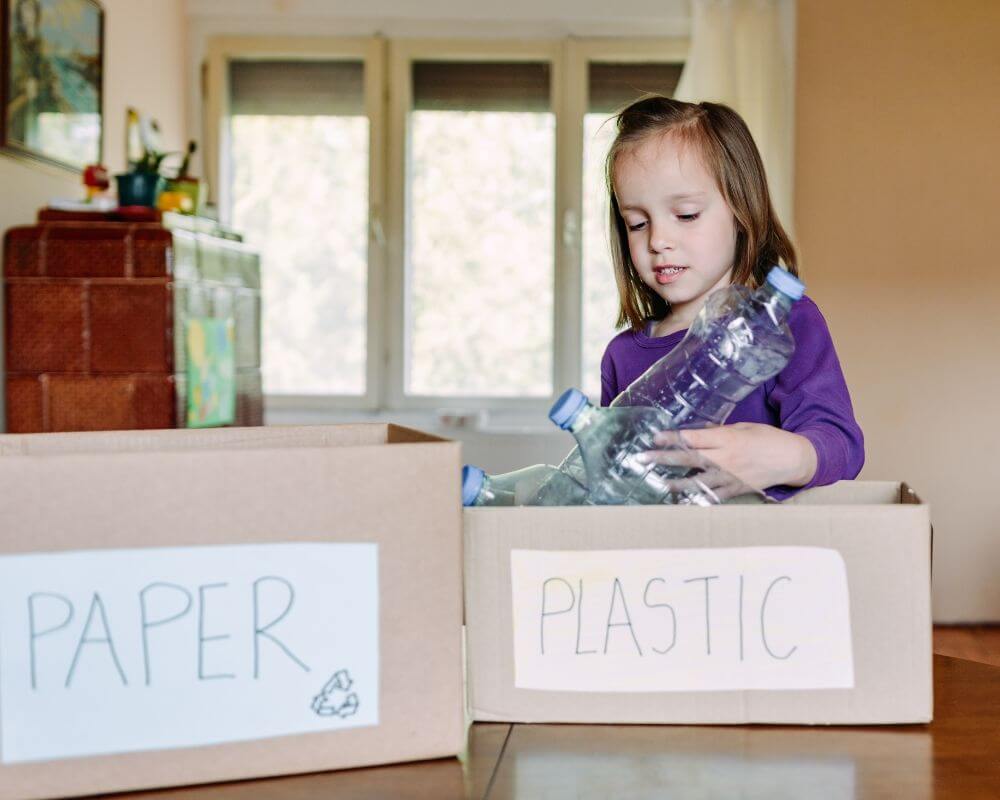
Having separate containers or clearly marked piles can make the process much easier. Label bins for paper products, cardboard, plastics, metals, electronics, and donation items. This organization allows you to efficiently transport materials to the appropriate destinations once your project is complete.
Recycling Paper and Cardboard Properly
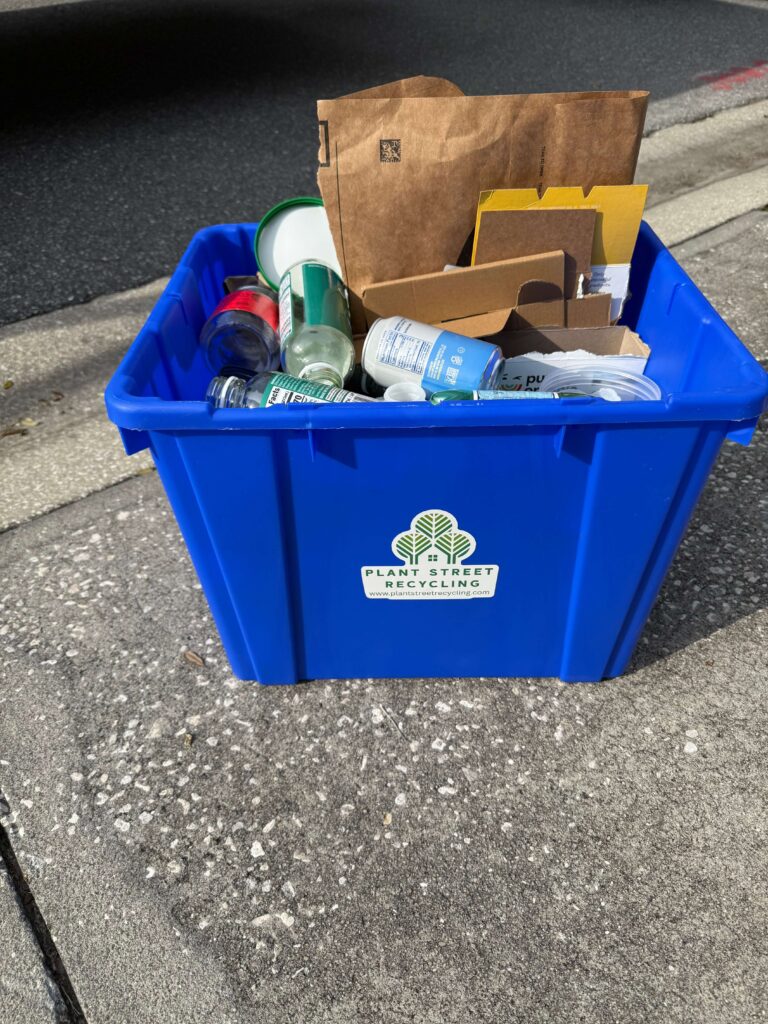
Paper and cardboard are among the most common materials discovered during summer decluttering projects. Old magazines, newspapers, shipping boxes, packaging materials, school papers, and outdated documents often accumulate over time.
Fortunately, paper and cardboard are highly recyclable when properly prepared. Flatten cardboard boxes to save space and remove excessive packing materials whenever possible. Keep paper products clean and dry, as food contamination can make certain materials unsuitable for recycling.
If you are cleaning out a home office, consider shredding sensitive documents before recycling them. Many communities offer secure shredding events throughout the year, providing both privacy protection and responsible disposal.
By recycling paper and cardboard instead of discarding them, homeowners help reduce demand for new paper production and support a more sustainable recycling system.
What to Do With Plastic Containers
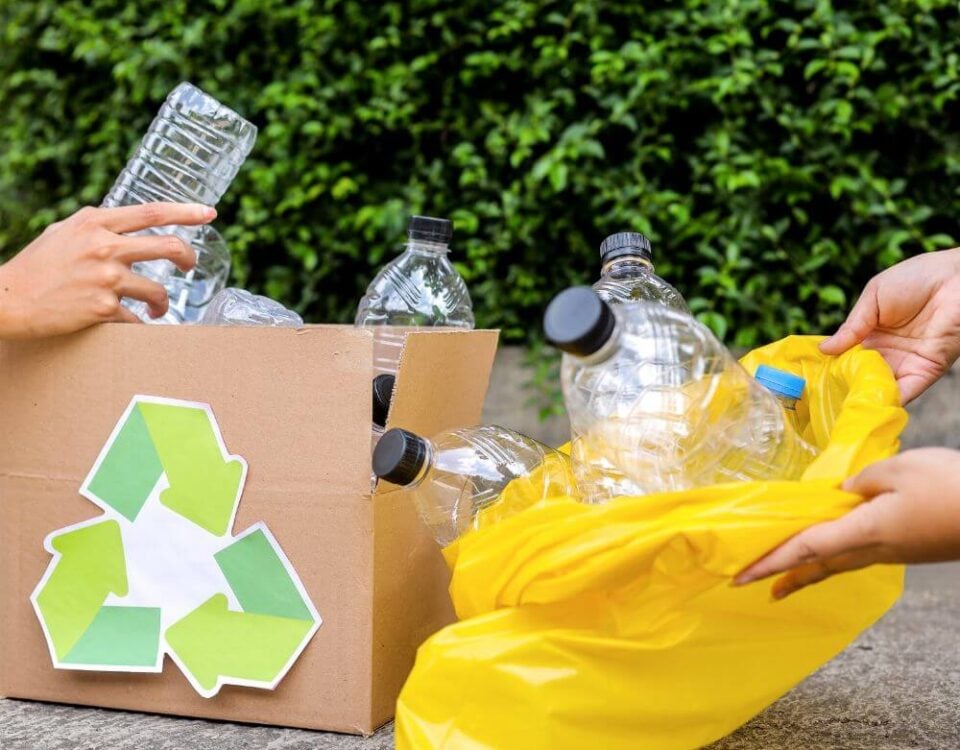
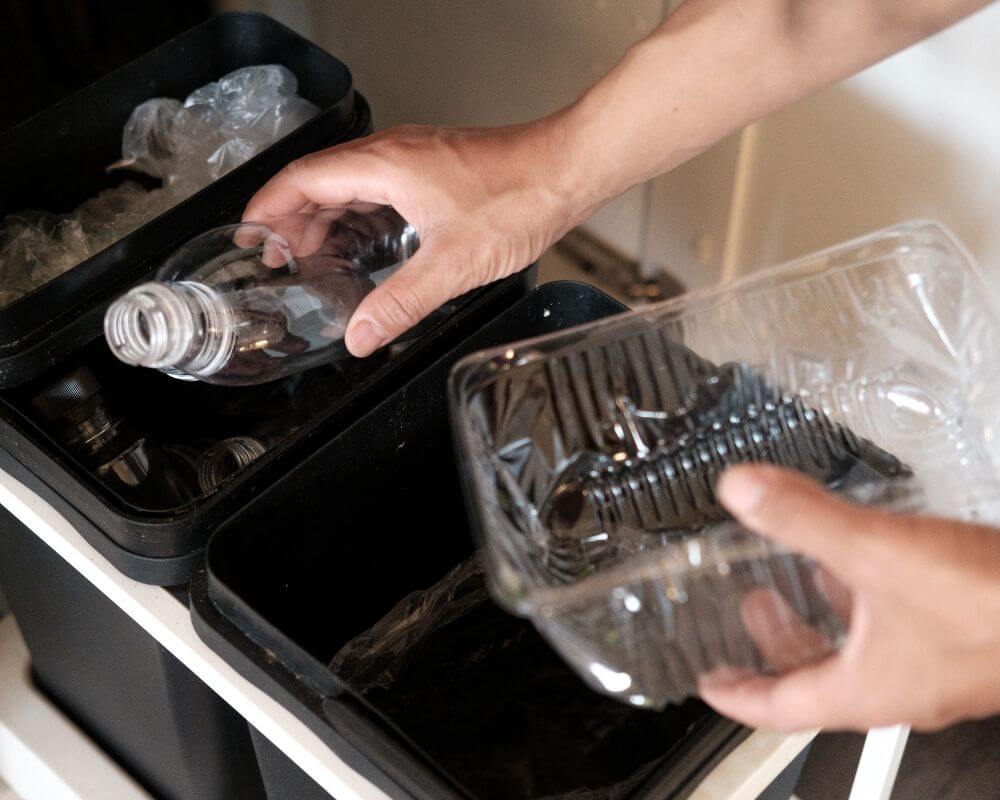
Plastic products can be confusing because not every type of plastic is accepted through residential recycling programs. During summer cleanouts, homeowners often uncover old storage containers, beverage bottles, detergent jugs, food packaging, and miscellaneous plastic items.
The first step is checking the recycling symbol and number located on the container. Many curbside programs accept common plastics such as water bottles, milk jugs, and household detergent containers. However, certain plastics may require specialized recycling facilities.
Always rinse food residue from containers before placing them in recycling bins. Dirty containers can contaminate other recyclable materials and reduce processing efficiency.
Avoid placing plastic bags in standard recycling bins unless your local program specifically accepts them. Many grocery stores offer dedicated collection locations for plastic bags and film products.
Taking time to sort plastics correctly ensures that recyclable materials remain valuable and usable throughout the recycling process.
Handling Electronics Responsibly
Summer decluttering often reveals forgotten electronics hiding in drawers, closets, and storage bins. Old cell phones, tablets, laptops, printers, cables, chargers, gaming systems, and other electronic devices frequently accumulate over time.
Electronics should never be placed in standard recycling bins. Many devices contain materials that require specialized processing and may include components that can be harmful if improperly disposed of.
Instead, look for certified electronic recycling programs in your area. Many municipalities, retailers, and recycling centers offer dedicated e-waste collection services. These programs help recover valuable materials while preventing hazardous substances from entering the environment.
Before recycling electronics, remember to erase personal information and reset devices to factory settings whenever possible. Protecting sensitive data should always be a priority during electronic disposal.
Donating Items That Still Have Value
Not everything you remove during a decluttering project needs to be recycled. Many items still have useful life remaining and can benefit others in your community.
Clothing, furniture, household goods, toys, books, kitchen supplies, and home décor items are often excellent candidates for donation. Local charities, thrift stores, shelters, schools, and community organizations may gladly accept gently used items.
Donation not only extends the life of products but also reduces overall waste generation. Reusing existing goods requires fewer resources than manufacturing new products and helps support individuals and families who may benefit from affordable access to essential items.
Before donating, inspect items carefully to ensure they are clean, functional, and in good condition. Quality donations are more likely to be reused and appreciated by their next owner.
Recycling Metal Items Around the Home
Many homeowners are surprised by the amount of recyclable metal they discover during a summer cleanup project. Old lawn equipment, metal shelving, cookware, tools, wire hangers, aluminum cans, and damaged outdoor furniture can often be recycled rather than discarded.
Metals are among the most valuable and sustainable materials in the recycling stream because they can be processed repeatedly without significant loss of quality. Recycling aluminum, steel, and other metals requires substantially less energy than producing new materials from raw resources.
Before recycling metal items, remove any non-metal components whenever possible. Plastic handles, fabric coverings, or rubber attachments may need to be separated depending on the requirements of your local recycling program.
Large metal items may require transportation to a dedicated recycling facility. Many recycling centers accept a wide range of household metals and can provide guidance on proper preparation and drop-off procedures.
Managing Hazardous Household Waste
One of the most important aspects of responsible recycling is understanding which materials should never be placed in regular trash or recycling bins. During summer decluttering projects, homeowners often uncover old paint cans, pesticides, cleaning chemicals, automotive fluids, batteries, and other potentially hazardous materials.
These products require special handling because they can pose risks to human health and the environment. Improper disposal can contaminate soil, groundwater, and local ecosystems.
Most communities provide household hazardous waste collection events or designated drop-off facilities. These programs are specifically designed to manage potentially dangerous materials safely and responsibly.
If you encounter questionable items during your cleanup, consult local recycling guidelines before disposing of them. Taking the time to verify proper disposal methods helps protect both your family and your community.
Decluttering the Garage With Recycling in Mind
Garages often become storage areas for years of accumulated items. Summer provides ideal weather for opening the garage door, sorting through stored belongings, and reclaiming valuable space.
As you work through garage clutter, focus on identifying recyclable materials such as cardboard boxes, metal tools, automotive parts, aluminum cans, and unused electronics. Many homeowners also discover paint supplies, batteries, and chemical products that require specialized disposal.
Creating separate sorting zones within the garage can help simplify the process. Dedicate areas for donations, recycling, hazardous waste, and items you plan to keep.
By approaching garage organization strategically, you can dramatically reduce clutter while ensuring recyclable materials are diverted from landfills.
Organizing Closets and Bedrooms Responsibly
Closets often contain clothing, shoes, accessories, and miscellaneous items that have not been used in years. Summer decluttering provides an excellent opportunity to evaluate what you truly need and remove items that no longer serve a purpose.
While clothing is not traditionally recyclable through curbside programs, many textile recycling organizations accept worn or damaged fabrics that are no longer suitable for donation. These materials can often be repurposed into insulation, cleaning cloths, carpeting, and other products.
Usable clothing can be donated to local charities, thrift stores, shelters, or community organizations. By extending the life of garments, homeowners help reduce textile waste and support sustainable consumption practices.
A thoughtful approach to closet organization not only creates more space but also contributes to a more circular economy.
Tackling Kitchen Clutter and Recyclables
The kitchen is another area where recyclable materials tend to accumulate quickly. Expired pantry items, excess packaging, old containers, broken small appliances, and stacks of takeout containers can create significant clutter over time.
As you clean and organize your kitchen, separate recyclable materials such as cardboard food packaging, glass jars, aluminum cans, and approved plastic containers. Be sure to rinse containers thoroughly before placing them in recycling bins.
Evaluate reusable items as well. Replacing disposable products with reusable alternatives can help reduce future waste and simplify household recycling efforts.
Kitchen decluttering provides an opportunity to establish habits that support sustainability year-round.
Understanding the Problem of Wishcycling
One of the biggest challenges facing recycling programs today is a practice known as wishcycling. Wishcycling occurs when people place questionable items into recycling bins hoping they will somehow be recyclable.
While the intention may be positive, wishcycling often creates contamination that makes recycling more difficult and expensive. Items such as garden hoses, plastic utensils, greasy pizza boxes, broken toys, and certain packaging materials can interfere with sorting equipment and reduce the quality of recyclable materials.
Responsible recycling requires following local guidelines carefully rather than making assumptions. When in doubt, consult your municipality or recycling provider before placing an item in the recycling bin.
A little education goes a long way toward improving recycling outcomes and reducing contamination.
Building Long-Term Recycling Habits
Successful decluttering is not just about a single weekend cleanup project. The most effective approach involves creating habits that prevent clutter from accumulating again in the future.
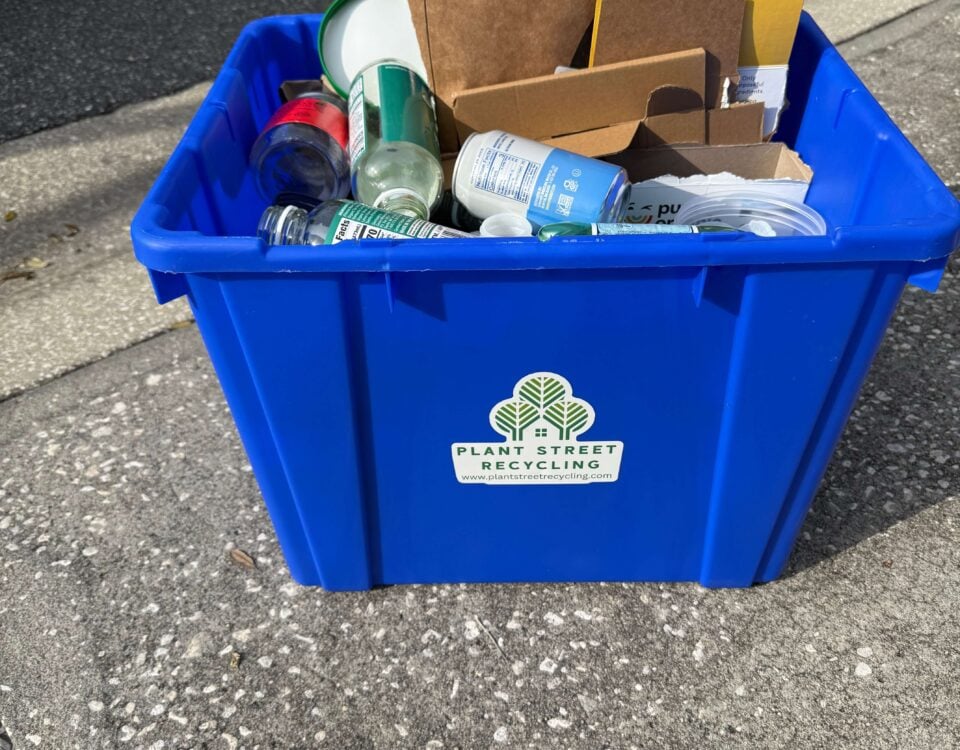
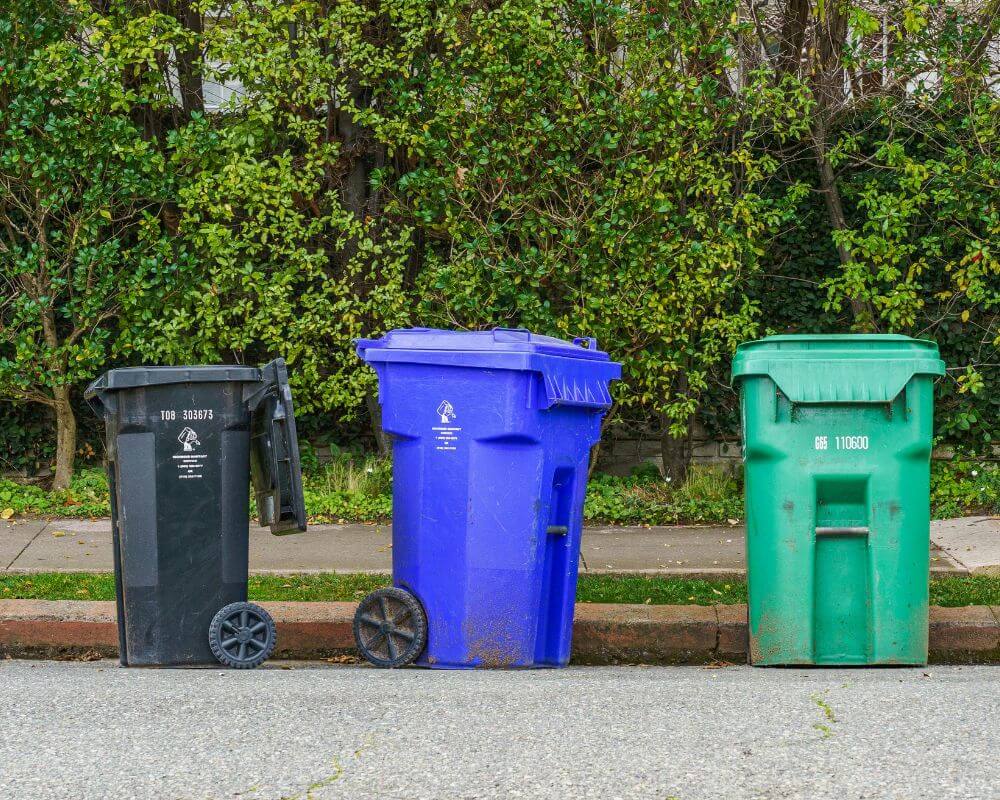
Establish convenient recycling stations throughout your home to make proper disposal easier. Keep recycling bins accessible in areas where recyclable materials are commonly generated, such as kitchens, home offices, and garages.
Regularly review storage areas and remove unnecessary items before they become overwhelming. Small maintenance efforts throughout the year can prevent major clutter problems from developing.
Teaching family members about responsible recycling also helps create a culture of sustainability within the household. When everyone understands recycling guidelines and participates consistently, the process becomes much more effective.
The Connection Between Recycling and Community Sustainability
Responsible recycling benefits far more than individual households. Every properly recycled item contributes to broader community sustainability efforts that help preserve resources, reduce pollution, and support economic growth.
Recycling facilities create jobs, reduce dependence on raw material extraction, and help local governments manage waste more efficiently. Communities with strong recycling participation rates often experience reduced landfill burdens and improved environmental outcomes.
For residents of Winter Garden and surrounding areas, responsible recycling plays an important role in maintaining the beauty and quality of life that make the community such a desirable place to live. Every cardboard box, aluminum can, plastic bottle, and glass container that is recycled rather than discarded helps support a cleaner and more sustainable future.
Summer decluttering offers an excellent opportunity to contribute to these community-wide benefits while improving the organization and functionality of your own home.
How to Stay Organized After Your Summer Cleanout
One of the greatest challenges homeowners face after a successful decluttering project is preventing clutter from returning. Without a plan, garages, closets, and storage areas can quickly become crowded once again.
A simple strategy is to adopt a regular review schedule. Setting aside time each month to evaluate storage spaces allows you to identify unnecessary items before they accumulate. This approach transforms decluttering from a major project into a manageable routine.
Another effective method is being more intentional about purchases. Before bringing new items into your home, consider whether they truly serve a purpose and where they will be stored. Mindful purchasing habits can significantly reduce future clutter.
Keeping recycling accessible is equally important. Clearly labeled recycling containers encourage proper sorting and make responsible disposal part of everyday life. When recycling is convenient, family members are more likely to participate consistently.
Common Summer Items That Can Often Be Recycled
Summer activities frequently generate recyclable materials that homeowners may overlook. Beverage containers, cardboard shipping boxes from online purchases, aluminum cans from outdoor gatherings, glass bottles, paper packaging, and certain plastic containers are all common examples.
Outdoor projects can also create recyclable materials. Metal patio furniture, aluminum fencing components, old grills, and certain renovation materials may be accepted through local recycling programs or specialty facilities.
When completing summer landscaping projects, it is important to distinguish between recyclable materials and organic waste. Yard debris may require separate disposal methods depending on local guidelines.
Taking a few moments to sort these materials properly can significantly increase the amount of waste diverted from landfills during the busy summer season.
Why Responsible Recycling Matters More Than Ever
As populations grow and consumption increases, responsible recycling becomes increasingly important. Every household generates waste, but every household also has the power to reduce its environmental impact through informed decisions.
Recycling conserves natural resources, saves energy, reduces greenhouse gas emissions, and minimizes landfill use. It supports a circular economy where materials remain in use for as long as possible rather than being discarded after a single use.
Summer decluttering represents more than an opportunity to organize your home. It provides a chance to evaluate consumption habits, reduce waste, and contribute positively to environmental stewardship.
By understanding what can be recycled, preparing materials correctly, donating usable items, and utilizing appropriate disposal programs, homeowners can make a meaningful difference both locally and globally.
Summer is the perfect season to refresh your living spaces, eliminate unnecessary clutter, and create a more organized home environment. Whether you are cleaning out a garage, reorganizing closets, sorting through old electronics, or tackling long-overdue storage areas, responsible recycling should be an essential part of the process.
Instead of sending everything to the landfill, take the time to identify recyclable materials, donate usable items, and properly dispose of hazardous waste. Small actions taken during a summer decluttering project can have lasting benefits for your household, your community, and the environment.
By recycling responsibly, homeowners not only create cleaner and more functional living spaces but also help conserve resources for future generations. This summer, make decluttering more meaningful by choosing sustainable solutions that support a cleaner, greener future for everyone.