What Happens to Your Recycling After It Leaves the Curb?
September 1, 2026
Thanksgiving Recycling: 9 Smart Tips for Winter Garden Hosts
November 1, 2026Cardboard recycling can look like a simple task until a few delivery boxes become a stack beside the garage. One box still contains plastic packing material, another has been saved for a possible return, and a larger carton blocks the place where the recycling bins usually sit. The material is familiar, but the household has not decided what happens between opening a package and collection day. That gap creates the clutter. A practical routine gives each box a purpose, removes the materials that need a different destination, and prepares accepted cardboard before it becomes a pile that someone has to tackle all at once.
For Winter Garden households, the goal is to connect everyday deliveries with the collection service’s actual instructions. Plant Street Recycling accepts cardboard among its household recycling materials, but that does not mean every object inside a shipping box belongs in the same bin. Packing film, foam pieces, batteries, and other contents need their own consideration. The following eight steps focus on managing the boxes themselves, from opening a delivery to preparing for pickup. Whether you receive a few packages each week or are unpacking after a move, a clear cardboard recycling process can make the space easier to use and the collection easier to understand.
1. Decide Whether the Box Still Has a Job
Before flattening a box, decide whether you need it for a confirmed return, storage task, or another immediate use. A box kept for a specific purpose is different from a growing collection saved because it might be useful someday. Put return packaging in one identified location with the relevant deadline or order information, and review it when that purpose ends. Avoid mixing it with material already prepared for recycling. This keeps the household from accidentally discarding something needed while preventing every delivery carton from becoming permanent storage beside the garage wall.
Reuse works best when there is a real recipient or task. A neighbor preparing for a move may be able to use suitable boxes, but confirm the need before transferring a large pile. Keep boxes that are in appropriate condition for the intended use and avoid passing along material that creates a disposal problem for the next person. If there is no practical use, move the accepted cardboard into the recycling routine rather than allowing a vague future possibility to delay the decision indefinitely. The household does not need an unlimited reserve of packaging to practice sensible reuse.

2. Empty the Entire Package Before Sorting
Open the box fully and check every compartment before deciding it is empty. Small accessories, paperwork, replacement parts, and inserts can remain hidden beneath packing material. A complete check prevents useful contents from being discarded and makes it easier to separate materials accurately. Do not assume that the outside carton determines the destination of everything inside it. A shipment may include several packaging types, and those types may require different handling. Give the opening process enough attention that the prepared cardboard represents the box alone, rather than a closed container of unidentified leftovers.
A small unpacking area can make this step repeatable. Keep a place for the item, a place for documentation you need, and a place for packaging awaiting a decision. The arrangement does not require extra furniture; it can be a temporary section of an existing counter or work surface. What matters is that the package is checked before its contents are swept together. When several adults receive deliveries, agree on the same basic sequence so one person’s apparently empty box does not become another person’s surprise discovery on pickup day. Clear handling at the beginning reduces sorting work later.
3. Separate the Packing Materials From the Cardboard
Cardboard, plastic film, foam inserts, and other packing materials are distinct items. Keep them separate while checking the current requirements for each. A package may contain an insert that looks paper-like but has a coating or another component you cannot identify. Ask about the actual material rather than assuming that every brown or lightweight piece belongs with the carton. The EPA’s common-recyclables guidance recommends checking local acceptance rules. That principle is especially useful for shipping materials because a familiar outer box can conceal several unfamiliar packaging components inside it.
Do not bundle the different materials together for someone else to sort later. Keep accepted cardboard available for collection while resolving questions about the other items. If a particular material arrives often, obtain a specific answer from the appropriate provider and save the information for the household. This turns a repeated guess into a settled routine. Avoid creating a general rule that all packing material is recyclable or that none of it is. Each item needs an appropriate destination, and the correct answer depends on the material and the program receiving it, rather than the fact that it arrived in a delivery.
4. Flatten Boxes Before They Take Over the Space
Flattening an empty accepted box reduces the space occupied by its original shape. Instead of storing a room-sized collection of mostly empty cartons, prepare the cardboard as you finish checking the package. The EPA identifies flattening boxes as part of preparing cardboard for recycling. Follow the provider’s directions for size and presentation, especially if a carton is larger than the normal household collection arrangement. Do not interpret the ability to flatten a box as permission to leave any quantity beside the curb. Preparation and collection limits are separate questions, and both should be understood before pickup.
Use a method appropriate to the box and your ability, and keep children away from sharp tools or staples. You do not need to turn the task into a fast cutting exercise. The practical objective is to collapse the carton without losing control of the material or leaving hazardous pieces in the work area. If a box is awkward or heavy, ask another adult for help instead of trying to manage it around a blocked doorway or crowded garage. A manageable routine should improve the use of the space, including during the few minutes spent preparing the material.
5. Protect Prepared Cardboard From Spills and Weather
Choose a place where the prepared material will remain in suitable condition until collection. A pile exposed beside a building may encounter rain, irrigation, spilled liquids, or other waste before the scheduled day arrives. Keep accepted cardboard away from food preparation and wet containers, and follow the service’s current instructions. The point is to preserve the material you have already prepared rather than create another cleanup task. A protected holding area also makes the routine more predictable: the household knows where the cardboard is, whether it is ready, and which items still need attention.
The holding area should not block vehicles, doors, stairs, or walking routes. If the space is becoming difficult to use, that is a signal to review the volume and the collection arrangement rather than expand the pile into another access route. A short weekly check can identify boxes still waiting on a return decision or material that has been mixed in incorrectly. Keep the location simple enough that everyone in the household recognizes its purpose. An organized cardboard recycling routine should help the garage or utility area function better, not create a new storage problem under a different label.
6. Treat Food Packaging as a Separate Decision
A delivery carton and a box used for food may raise different preparation questions. Remove food scraps and loose contents, then review the instructions that apply to the package and its condition. Do not use an oversimplified rule that every paper-looking food container belongs with cardboard or that every mark automatically makes an entire box unacceptable. Coatings, liners, remaining food, and the receiving program’s requirements can matter. When uncertain, ask Plant Street Recycling about the specific item before placing it in the collection. A precise question is more useful than a broad debate about whether cardboard is recyclable in general.
Keep the decision tied to the actual package. A plain paperboard carton may contain a separate bag, tray, or liner, and those parts should not automatically travel together into recycling. Empty and inspect the package, identify its components, and follow the appropriate route for each. If the item cannot be prepared as the service requires, use the suitable disposal option instead of adding it to clean cardboard. This protects the clarity of the household system. The adults using it should know which materials have already been checked and which remain unresolved, without having to open every box again before collection.
7. Ask About Larger Volumes Before a Move or Big Delivery
Moving, replacing furniture, or receiving several large purchases can produce a different amount of packaging from an ordinary week. Contact the service before assuming that a normal household pickup will handle the entire volume in the same way. Describe the material, approximate quantity, and timing, and ask how it should be prepared or presented. A planned answer gives you a better route than leaving a large stack outside and hoping it fits the existing arrangement. It also helps you distinguish what belongs in the recycling collection from other moving or furniture waste that needs a separate decision.
Plan the unpacking in stages when possible. Open and inspect one area, separate the materials, and prepare the accepted cardboard before adding the next group of cartons. Keep essential items and return packaging distinct from the recycling area. This method can make the work easier to pause without losing track of what has been checked. It does not require completing a move in one day or keeping every room perfectly organized. The benefit is continuity: another adult can understand where you stopped, which boxes still hold contents, and which materials are ready for the next appropriate step.
8. Connect the Routine to Your Actual Pickup Schedule
A prepared pile still needs a clear handoff to collection. Check the current Plant Street Recycling schedule and the instructions relevant to your address. Confirm any special arrangements directly instead of relying on a neighbor’s experience or an old message. The How It Works page explains the service’s accepted-material approach, including keeping recyclables unbagged. Follow current instructions for cardboard presentation and ask about anything that does not fit your usual setup. A consistent routine connects the opening of the package with the way the material will actually be received.
After pickup, inspect the storage area and reset it for the next week. Remove ordinary debris, return tools to their place, and decide whether any retained boxes still have a useful purpose. If a question about preparation or collection occurred, contact the team rather than repeating the same uncertain arrangement. Cardboard recycling becomes easier when the household learns from each cycle. The goal is to make the next delivery simple to manage, with an obvious place for an empty carton and a known route to collection, rather than allowing the same pile to restart without a clear plan.
Why the Recycling Symbol Is Only a Starting Point
A symbol or material description can help identify packaging, but it does not replace the receiving program’s instructions. Read the information in context and check whether it applies to the whole package or only one component. A carton with an inner bag, for example, contains more than one item even when it arrives as one unit. Avoid treating a familiar recycling mark as a guarantee that every part belongs in the same household bin. The practical question is whether your service accepts the actual material in its current condition and how that material should be prepared for collection.
This distinction is useful beyond shipping boxes. Cereal packaging, gift boxes, protective inserts, and other paperboard items may combine pieces with different destinations. Once the household understands that a package can be separated into components, the task becomes less confusing. You do not need a new rule for every brand name. You need a consistent sequence of identifying, separating, checking, and preparing. Keep the provider’s current guidance easy to find, and ask about unusual pieces without letting them hold up the accepted material you already know how to manage.
A Simple Routine for Delivery Day
Consider a household that receives several packages after work. An adult opens each box, checks the contents, retains only the packaging needed for a specific return, and separates the loose inserts. Accepted cardboard is flattened and placed in the protected holding area. A questionable packing material is set aside for a provider question, while ordinary waste follows its appropriate route. This is a suggested example rather than a customer case study. It shows how a short sequence can prevent unopened-looking cartons and loose packaging from spreading across the space simply because no one has decided what each item needs.
The routine is especially useful when different people handle different parts of the process. A family member opening a package can finish the preparation rather than leave a mystery task for the person carrying the bins outside. Another adult can then see which material is ready without checking every carton again. Children can help with appropriate safe tasks under supervision, but adults should handle cutting, sharp pieces, and uncertain materials. The work becomes easier to share when the steps are visible and the household agrees on what ready for recycling actually means.
Make Reuse Practical, Not Permanent Storage
Some cardboard deserves another use before recycling, but the reuse plan should remain realistic. Keep a small number of suitable boxes for known needs and review them periodically. If you offer boxes to another person, agree on the handoff rather than letting an unconfirmed message become a reason to keep the entire pile indefinitely. A box that is genuinely useful should be easy to identify and retrieve. If the household cannot find the retained packaging when needed, the storage system is not delivering the benefit it was intended to provide.
The same reasoning helps with household projects. Before saving cardboard for organization, crafts, or another activity, identify the task and the amount needed. Store the material appropriately and set a point at which the plan will be reviewed. Reuse should extend the usefulness of an item, not make the home responsible for storing every possible future project. When a box no longer has a purpose, move it through the appropriate preparation and collection routine. This gives the household a clear way to balance useful reuse with the need to keep everyday spaces accessible and manageable.
Start a Better Cardboard Recycling Routine in Winter Garden
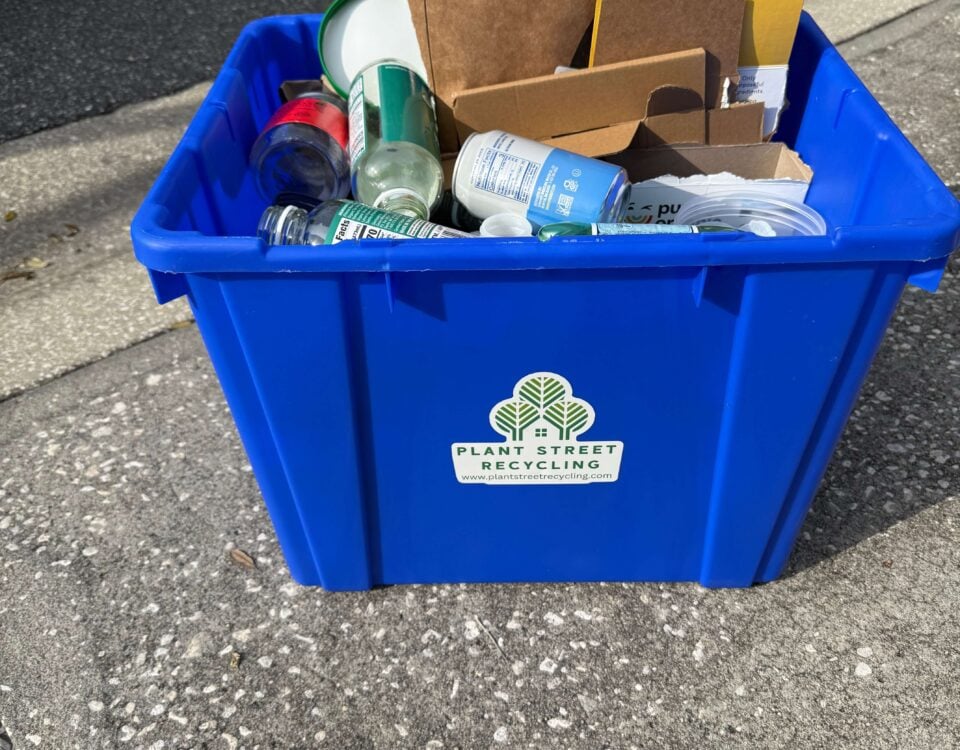
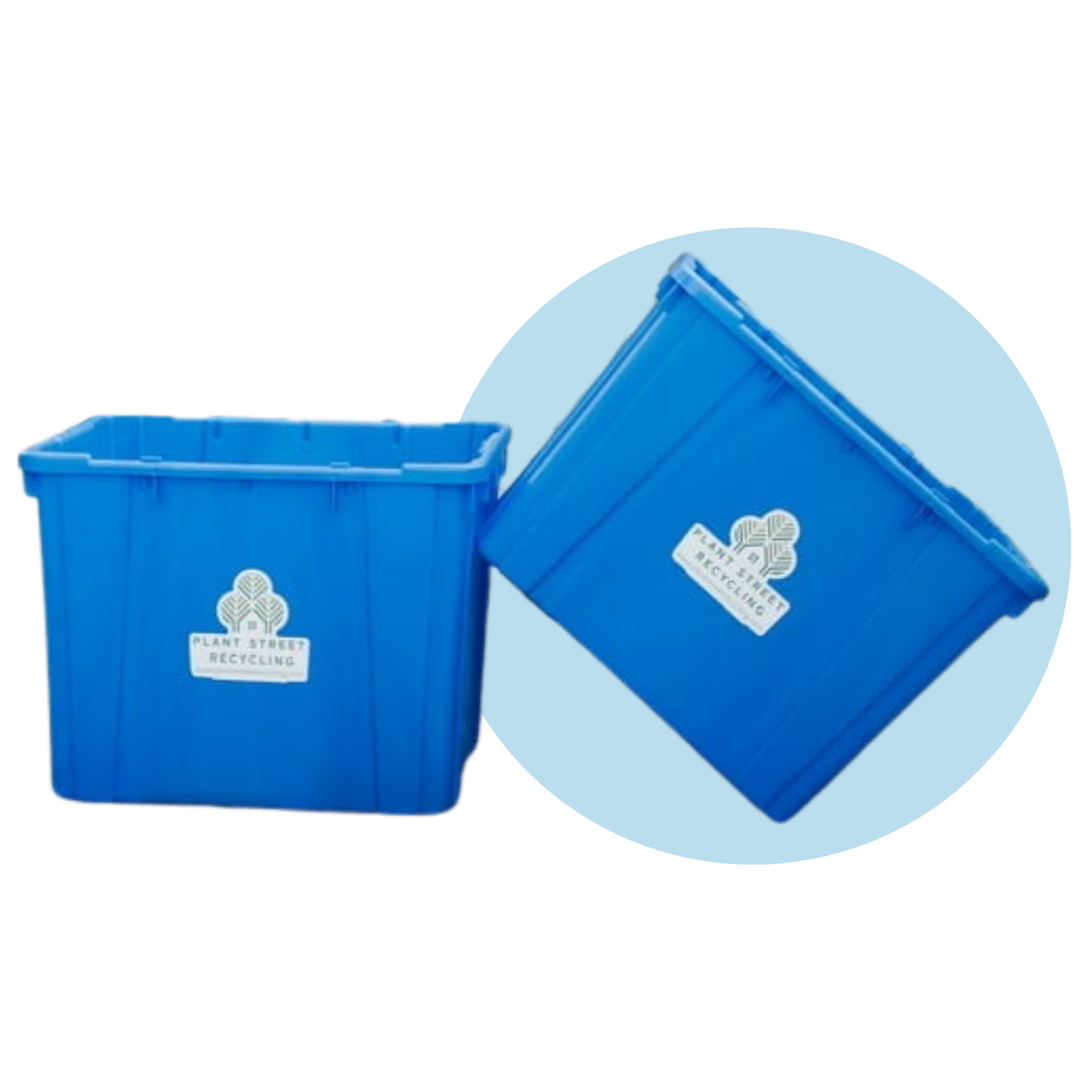
Plant Street Recycling provides weekly curbside recycling for Winter Garden households, with two 14-gallon bins included in the current service. Visit the signup page to review the available service and address information. If you are planning a move or expect a large amount of cardboard, ask about that situation specifically. A clear answer helps you organize the material before it reaches the curb, allowing your household routine to match the collection process rather than depend on an assumption.
Cardboard recycling does not need to begin with a weekend spent clearing the garage. It can begin with the next delivery. Check the contents, decide whether the box still has a job, separate the packing materials, and prepare accepted cardboard for the confirmed collection arrangement. Keep it protected and make the handoff part of the weekly routine. Over time, those small decisions prevent empty cartons from becoming permanent clutter. For Winter Garden residents, a reliable process makes it easier to keep useful material moving toward recycling while maintaining a home that has room for the things the packaging was delivered to contain.