Winter Garden Recycling Guide: Pickup, Drop-Offs & Accepted Items
August 7, 2026You rinse the container, flatten the cardboard box, place everything in your recycling bin, and roll it out to the curb. Then pickup day arrives, the recycling disappears, and most of us never see what happens next. It is easy to think of recycling as something that ends the moment a container is emptied, but curbside collection is really only the beginning of a much longer journey.
For Winter Garden residents using Plant Street Recycling, recyclable materials are collected from the curb and transported onward for processing rather than simply disappearing into the regular household waste stream. Plant Street Recycling accepts common household recyclables including aluminum and metal cans, plastic containers, paper, cardboard, glass bottles, and glass jars. Customers do not need to separate those approved materials into different bins before pickup. Instead, the focus at home is on making sure items are accepted, reasonably clean, and ready to be recycled.
But what actually happens to your recycling after it leaves the curb? How does a soda can become useful material again? Where does an empty cereal box go? What happens to plastic containers and glass bottles after they are collected?
Understanding that journey can make recycling feel much less mysterious. It can also explain why putting the right things in your recycling bin matters so much.
Curbside Pickup Is the First Step in the Recycling Process
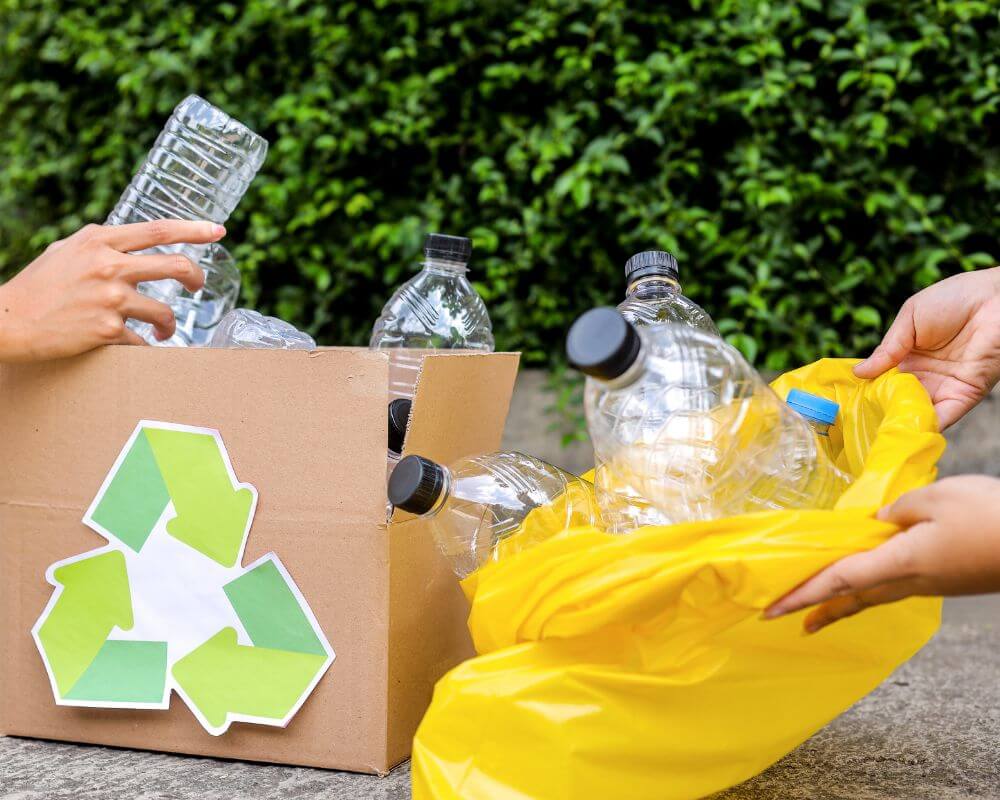
Recycling begins with collection. A recyclable item sitting in your kitchen is still simply a used item. It becomes part of the recycling process when it is collected and moved into a system designed to recover and reuse the material instead of sending it into the regular waste stream.
That first step is exactly where curbside recycling matters.
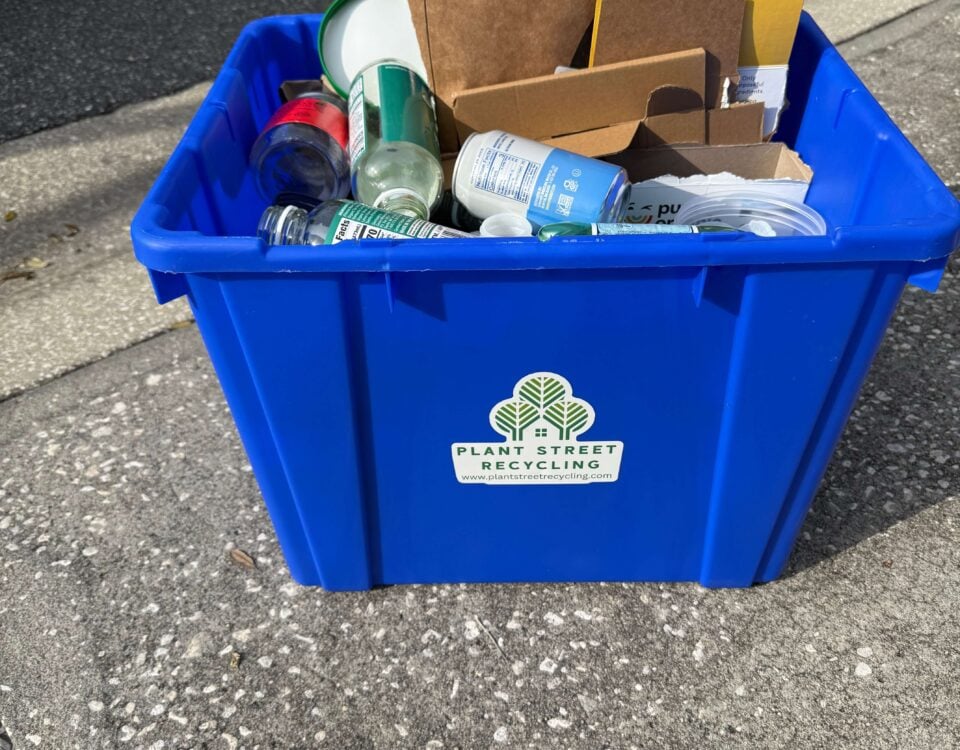
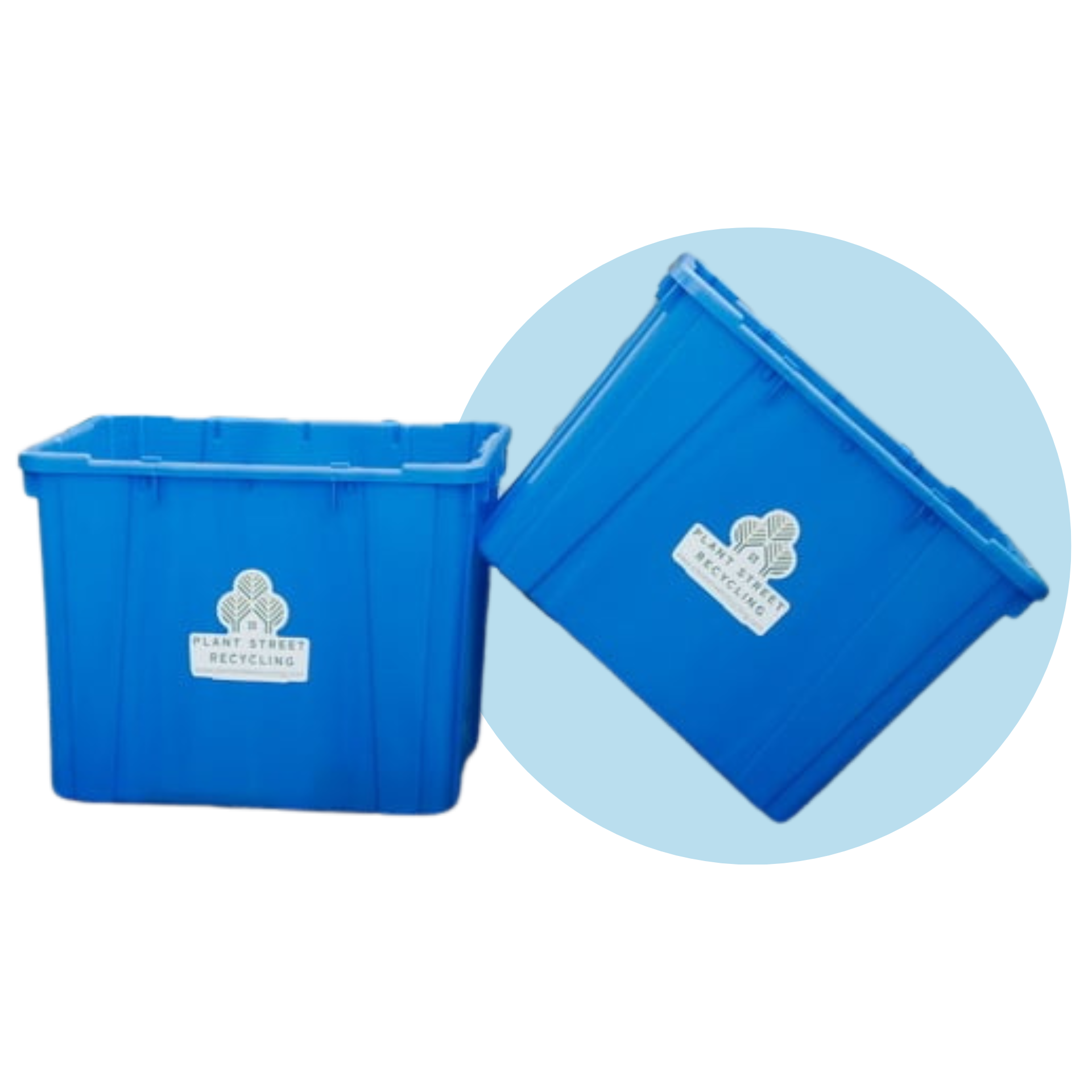
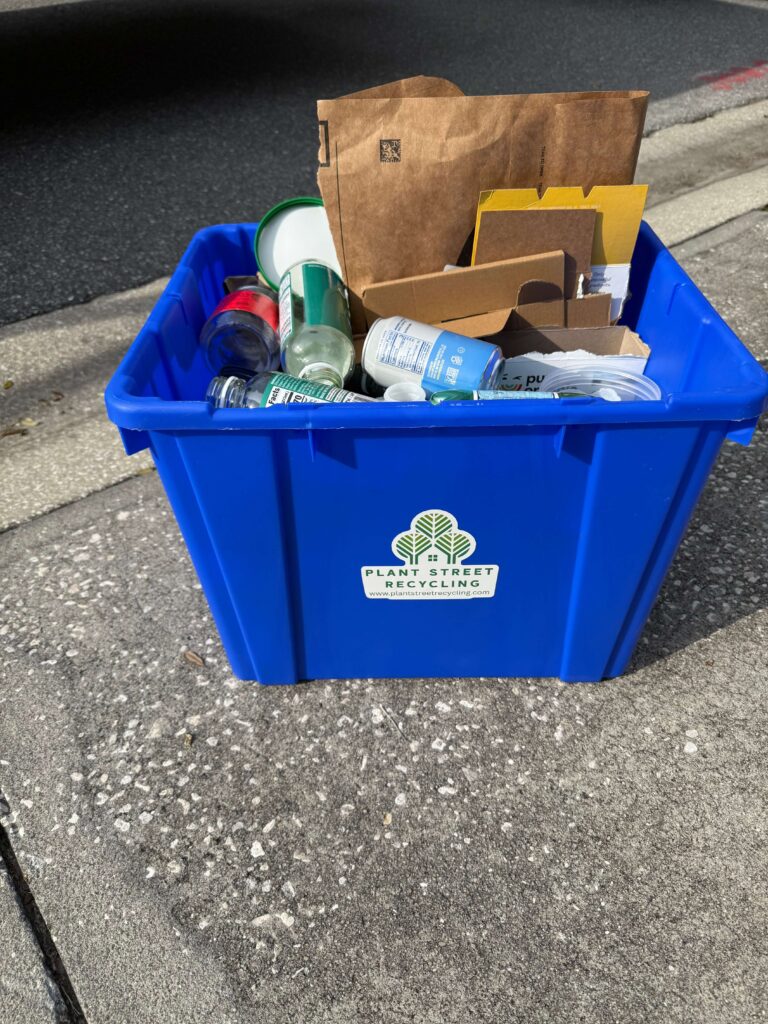
Plant Street Recycling provides weekly curbside recycling service for Winter Garden households. Customers receive two 14-gallon blue recycling bins that can be filled with approved materials such as paper, cardboard, glass, metal cans, and plastic containers. Because customers do not need to separate every recyclable by material type at home, recycling can become part of a normal household routine rather than requiring multiple containers and trips to different recycling locations.
On collection day, those materials leave the curb and begin the next stage of their journey. From there, different materials can take very different paths depending on what they are made from and what processing is required before the material can be used again.
The important thing to remember is that the recycling truck is not the final destination. Collection is only the first step.
Your Recycling Has to Be Separated Before It Can Become Something New
Even though Plant Street Recycling customers do not have to sort approved materials into separate containers at home, paper, plastic, glass, and metal cannot remain mixed together forever. Before those materials can be turned into usable resources, they eventually need to be separated according to material type.
Recycling processing facilities can use a variety of systems to accomplish this. Depending on the facility, materials may move across conveyor belts and through screens, magnets, mechanical equipment, optical sorting technology, and manual quality checks.
Each part of the process helps separate different materials from the recycling stream.
Cardboard needs to end up with other cardboard. Aluminum needs to be separated from plastic. Glass needs to move into an appropriate processing stream. Different plastics may require additional separation because not every type of plastic is processed in exactly the same way.
The goal is to transform a mixed collection of household recyclables into groups of usable materials that can be prepared for manufacturers.
That is why the recycling bin itself is only the beginning. Putting an item in the blue bin does not immediately turn it into a new product. Instead, it places that item into a system designed to recover the material and give it an opportunity to be used again.
Why Clean Recycling Matters After Collection
One of the most important parts of the recycling process actually begins before your recycling ever reaches the curb.
Food, liquids, plastic bags, and other contaminants can make recyclable materials more difficult to process. This is why recycling correctly matters just as much as recycling consistently.
Containers should be emptied and rinsed before being placed in the recycling bin. That does not mean every jar, bottle, or container needs to look brand new. The goal is simply to remove significant food residue and liquids before the item enters the recycling system.
Imagine a clean cardboard box sitting next to a container that is still filled with leftover food. If that food leaks onto the cardboard, a recyclable material may become contaminated before it ever reaches the processing stage.
Taking a few extra seconds to empty and rinse containers can help keep the recycling stream cleaner.
This is also why putting questionable items into the recycling bin can cause problems. Sometimes people place an item in recycling because they hope it is recyclable, even when they are unsure whether their local program actually accepts it. This is often called wishcycling.
More material in the recycling bin does not automatically mean more material gets recycled.
Recycling works best when the items entering the system are materials the program is prepared to collect and processors are equipped to handle. Following the accepted materials guidelines helps give the paper, cardboard, plastic, glass, and metal in your bin a better chance of successfully moving through the recycling process.
What Happens to Recycled Paper and Cardboard?
Paper and cardboard are some of the most familiar materials found in a household recycling bin. Mail, newspapers, cereal boxes, paper packaging, and clean cardboard can quickly accumulate, especially in homes that receive frequent deliveries.
After recyclable paper and cardboard are collected and separated from other materials, they can be processed into fibers that manufacturers can use again.
One common process involves breaking the paper material down and mixing it with water to create a pulp. That pulp can then be cleaned and processed before being pressed and dried into material that can be used to manufacture new paper products.
That means the cardboard shipping box sitting beside your front door does not necessarily have to represent the end of that material’s useful life.
Instead of being thrown away after a single use, the fibers inside recyclable paper and cardboard can potentially continue through another manufacturing cycle.
This is one of the fundamental ideas behind recycling. The goal is not simply to find another place to put unwanted items. The goal is to recover materials that still have value.
For Plant Street Recycling customers, keeping cardboard clean and breaking down larger boxes can also make those materials easier to manage before collection.
What Happens to Aluminum and Metal Cans?
Aluminum and other recyclable metal containers follow a very different journey because they do not need to be turned into pulp or fibers.
Once recyclable metals are separated from other materials, they can be processed and prepared for melting. The recovered metal can then be reshaped and used to manufacture new products.
A soda can, soup can, or other approved metal container may look like trash once it is empty, but the material itself still has value.
Metal is a great example of why it is helpful to think about recycling as material recovery rather than disposal. When recyclable metal is properly collected and processed, manufacturers can potentially use that material again instead of relying entirely on newly produced raw materials.
The item may no longer be useful to you, but the aluminum or metal it contains may still be useful somewhere else.
And that is one of the most important things to understand about what happens after your recycling leaves the curb. Recycling is not simply another way to get rid of something. It is a process designed to recover usable materials and keep them in circulation for as long as possible.
What Happens to Recycled Plastic?
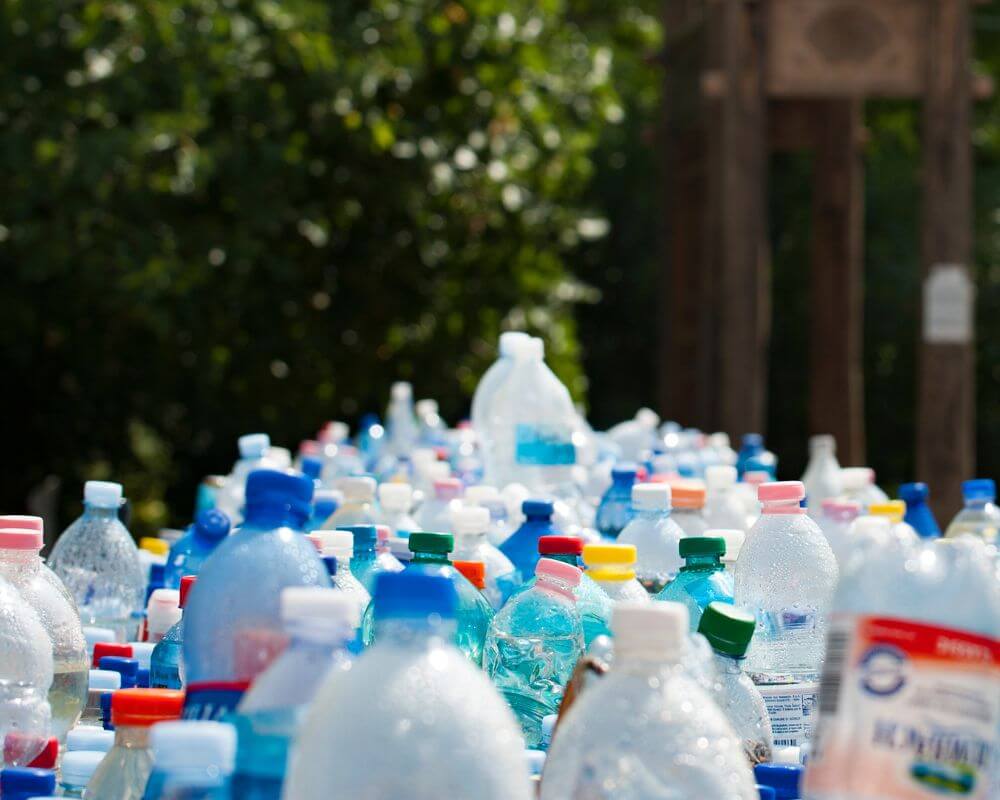
Plastic is one of the most common materials people think about when they hear the word recycling, but it is also one of the most misunderstood. Not every plastic item is handled the same way, and the type of plastic, shape of the container, level of contamination, and capabilities of the processing facility can all affect what happens next.
After recyclable plastic containers are collected and separated from other materials, they are typically sorted by type and prepared for processing. Depending on the material, plastics may be cleaned, shredded into smaller pieces, and processed into pellets or flakes that manufacturers can use to create new products. Those recovered materials may eventually become new containers, packaging, building products, textiles, or other manufactured goods.
The process helps explain why it is so important to follow the accepted materials guidelines instead of assuming every plastic item belongs in the recycling bin. A rigid plastic bottle or container may move successfully through a recycling system, while other plastic products may not be compatible with the same sorting and processing equipment.
Plastic bags are a good example. Even though they are made from plastic, they can create problems in many recycling systems because thin film can become wrapped around machinery. This is why the material an item is made from is only part of the recycling question. The shape, format, and local processing capabilities matter too.
For Winter Garden households using Plant Street Recycling, the best approach is to focus on the accepted plastic containers listed for the service and avoid adding questionable items simply because they have a recycling symbol somewhere on the packaging.
What Happens to Glass Bottles and Jars?
Glass has a recycling process that is very different from paper, plastic, or metal. Once recyclable glass bottles and jars are separated from other materials, they can be cleaned and broken into smaller pieces known as cullet. That recovered glass can then be used as a raw material in the production of new glass products.
One of the benefits of glass is that the material can retain many of its original properties when it is processed correctly. Instead of treating a glass bottle or jar as something that becomes useless once it is empty, recycling recognizes that the glass itself still has value.
This is another reason why keeping recyclable containers reasonably clean matters. Food residue, lids, ceramics, broken household glass, and other materials can complicate processing if they enter a recycling stream that is designed specifically for bottles and jars.
When you place an accepted glass bottle or jar in your Plant Street Recycling bin, you are starting a process that may allow that material to return to manufacturing rather than being buried with household trash.
The item itself may be finished, but the material may not be.
Where Does Your Recycling Go After It Is Sorted?
Once recyclable materials are sorted and prepared, they become commodities that can move into manufacturing supply chains. Paper fibers, processed plastic, recovered glass, aluminum, and other metals may all be sold or transferred to manufacturers that can use those materials to make new products.
This is where recycling becomes part of a larger circular system.
In a traditional linear model, resources are extracted, turned into products, used, and thrown away. Recycling creates an opportunity to interrupt that cycle by recovering usable materials before they reach the end of their useful life.
Instead of starting every product with completely new raw materials, manufacturers may be able to incorporate recycled material into the production process.
That does not mean every item placed in a recycling bin automatically comes back as the exact same product. A plastic bottle may not become another identical plastic bottle. Cardboard may be turned into a different type of paper product. Recycled metal may eventually become part of a completely different manufactured item.
The important point is that the material has the opportunity to remain useful.
Your curbside recycling bin is therefore connected to a much larger process than most people ever see. The cereal box, aluminum can, plastic container, or glass bottle you place at the curb may eventually become raw material for something entirely new.
Does Everything Put in a Recycling Bin Actually Get Recycled?
This is one of the most common questions surrounding recycling, and the answer requires a little nuance.
Placing something in a recycling bin does not guarantee that it will successfully become a new product. Recycling depends on several steps working together. The item needs to be accepted by the collection program, collected properly, separated from contaminants, processed into usable material, and connected with a market or manufacturer that can use it.
Contamination can prevent otherwise recyclable materials from making it through that process. Items that are not accepted can also create problems during sorting. Some materials may become damaged, contaminated, or economically impractical to recover.
That does not mean recycling does not work. It means recycling works best when everyone involved helps create a clean, reliable stream of usable materials.
For households, the most important part of that responsibility happens before pickup. Empty containers, rinse away significant residue, keep obvious trash out of the recycling bin, and follow the accepted materials guidelines.
Doing those simple things can help reduce contamination and improve the quality of the recyclable materials entering the system.
This is also why local recycling guidelines matter. Recycling rules are not universal. What can be processed in one community may not be accepted in another. Programs are shaped by the collection equipment, processing facilities, transportation networks, and markets available in that region.
When Plant Street Recycling provides a list of accepted materials, following that list gives your recycling the best opportunity to continue through the process after it leaves your curb.
Why Recycling Correctly Matters More Than Recycling More
It can be tempting to think that a completely full recycling bin is always better than a partially full one. In reality, the quality of what goes into the bin matters just as much as the quantity.
A bin filled with clean, accepted paper, cardboard, glass, plastic containers, and metal has a much better chance of contributing useful material to the recycling system than a bin filled with a mixture of recyclables, food waste, bags, household trash, and questionable items.
This is why successful recycling is not a competition to see how much material you can fit into the bin.
It is about identifying valuable materials and placing them into the correct stream.
For families, this can actually make recycling easier. You do not have to memorize every possible product in your home. Instead, focus on the everyday categories your service accepts and develop simple habits around them.
A cardboard box can be flattened. A drink container can be emptied and rinsed. A clean can can go into the recycling bin instead of the trash. Those small decisions repeated throughout the week can add up to a meaningful amount of material diverted from the waste stream over the course of a year.
What Happens When Recyclables Go Into the Trash Instead?
When recyclable materials are placed in regular household trash, they generally lose the opportunity to enter the recycling process.
A cardboard box in the trash is no longer part of a paper recovery stream. An aluminum can thrown away is not being routed toward metal recycling. A recyclable plastic container mixed with household garbage may never reach equipment designed to recover that plastic.
Once recyclable materials are mixed into the regular waste stream, recovering them becomes significantly more difficult.
That is why curbside recycling can make such a difference for households. It creates a simple separation point right at home.
Instead of expecting residents to save recyclables, load them into a vehicle, and drive to a separate drop-off facility, curbside collection allows families to separate useful materials as part of their normal weekly routine.
For Winter Garden residents, that convenience can make the difference between something being recycled and something simply being thrown away.
Why Local Curbside Recycling Matters in Winter Garden
Recycling is a global issue, but it ultimately starts with very local decisions.
Every bottle, box, can, and container begins its recycling journey in a home, office, school, restaurant, or business. Someone has to make the decision to separate that item from regular trash before anything else can happen.
That is especially important in a community like Winter Garden, where residents who want curbside recycling need a practical way to keep recyclable materials out of their household trash.
Plant Street Recycling was created to provide that local option.
By offering weekly curbside recycling pickup, the service makes it possible for participating households to establish a consistent recycling routine. Residents can collect approved materials throughout the week, place their bins at the curb on pickup day, and allow those materials to continue into the recycling system.
The convenience matters because environmental habits are much easier to maintain when they fit naturally into everyday life.
A family may have every intention of recycling, but if doing so requires storing bags of materials for weeks and driving them across town, those good intentions can quickly become difficult to maintain. Curbside pickup removes much of that friction.
The result is a simple routine that can become just as familiar as taking out the household trash.
Recycling Is Really About Recovering Resources
The word recycling can sometimes make the process sound like it is primarily about waste management. In reality, it is just as much about resource management.
Paper contains usable fibers. Aluminum cans contain valuable metal. Glass bottles contain material that can be processed again. Plastic containers contain polymers that may still have manufacturing value.
When those items are thrown away, the materials inside them are discarded along with the product.
Recycling asks a different question.
Instead of asking, “How do we get rid of this?” it asks, “Is there still something useful here?”
That shift in perspective is what makes recycling powerful.
The soda can on your kitchen counter may seem insignificant, but multiplied across hundreds or thousands of homes, those individual items represent a substantial amount of recoverable material.
The same is true for cardboard boxes, food containers, jars, newspapers, and other everyday recyclables.
One household will not solve the entire waste problem. But every household can decide what happens to the materials that pass through its own doors.
What Can Winter Garden Residents Do to Help Their Recycling Make It Through the Process?
The most effective thing residents can do is keep recycling simple and consistent.
Know what your curbside service accepts. Empty containers before placing them in the recycling bin. Rinse away significant food residue. Keep regular household trash out of the recycling. Break down cardboard when needed. When you are uncertain about an item, check the accepted materials guidelines instead of guessing.
These habits may feel small, but they help improve the quality of the materials entering the recycling stream. They also make the process easier for your household.
Recycling should not feel like a complicated environmental science project every time you finish a jar of pasta sauce or open a delivery box. Once the routine becomes familiar, the decision often takes only a few seconds.
Trash goes in one place. Accepted recyclables go in another. Then, on collection day, those recyclables begin the journey you now know much more about.
Your Recycling Journey Starts at the Curb, Not Ends There
When the Plant Street Recycling bins are emptied on pickup day, the story of those materials is just beginning.
What looks like a simple pile of used packaging represents paper fibers, plastics, glass, aluminum, and other resources that may still have useful life remaining. Collection moves those materials away from the regular waste stream. Sorting separates them into usable categories. Processing prepares them for manufacturing. Manufacturers can then use recovered materials to create new products.
None of that can happen if recyclable materials never make it into the recycling system in the first place. That is why the small decision to put an accepted bottle, can, box, or container into your recycling bin matters.
The next time you roll your recycling out to the curb in Winter Garden, you can think about what happens beyond pickup day. Your cardboard may become usable fiber again. Your aluminum can may return to a manufacturing process. Your glass bottle may be broken down and reused. Your plastic container may become raw material for something new.
Recycling does not end when the truck arrives. That is where the journey begins.
For Winter Garden households looking for a simple way to recycle consistently, Plant Street Recycling provides weekly curbside collection that helps move approved household recyclables out of the trash and into the recycling process. With a little preparation at home and the right materials in your bins, every pickup becomes another opportunity to keep useful resources in circulation.