What Can You Recycle After Your Fourth of July Celebration?
July 3, 2026
What Happens to Your Recycling After It Leaves the Curb?
September 1, 2026Recycling in Winter Garden has changed significantly over the past few years. Many residents who once relied on municipal curbside recycling are now trying to determine what can still be recycled, where materials should go, and whether convenient pickup services are available.
The good news is that Winter Garden residents still have options.
Households can use a local curbside recycling service, transport certain materials to approved drop-off locations, schedule specialized collections for electronics and appliances, or take individual items to participating retailers. The best choice depends on what you need to recycle, how much material your household generates, and how much time you want to spend sorting and transporting it.
This Winter Garden recycling guide explains the available options, identifies the everyday materials that can be recycled, and provides practical tips for keeping your household recycling clean and manageable.
What Happened to Curbside Recycling in Winter Garden?
The City of Winter Garden suspended its municipal curbside recycling program effective January 1, 2025. According to the City, the decision followed rising operating costs, high contamination rates, and difficulty finding viable markets for collected materials.
The City reported that its previous recycling program cost more than $1 million annually and that only a small percentage of collected material was ultimately recycled. Residential blue recycling carts were subsequently removed.
This change did not mean Winter Garden residents stopped caring about recycling. It meant households needed to find new ways to keep paper, cardboard, plastic containers, glass bottles, jars, and metal cans out of the trash.
Some residents began transporting recyclables to drop-off facilities. Others started saving only certain materials. Many households reluctantly placed recyclable items in the garbage because driving to multiple locations was too inconvenient.
Plant Street Recycling was created to provide another option: dependable weekly curbside recycling operated by a local company serving Winter Garden neighborhoods.
Instead of storing recyclables until there is enough material for a trip across town, participating households can place accepted materials outside for scheduled pickup. This restores the convenience many residents lost when municipal curbside recycling ended.
What Are the Main Winter Garden Recycling Options?
Winter Garden residents generally have four recycling and disposal options available. The appropriate choice depends on the material.
1. Local Weekly Curbside Recycling
For everyday household recyclables, local curbside pickup is usually the most convenient option.
Plant Street Recycling provides weekly residential recycling pickup in participating Winter Garden neighborhoods. The service is designed for households that want to recycle consistently without transporting containers, boxes, bottles, and cans to different facilities.
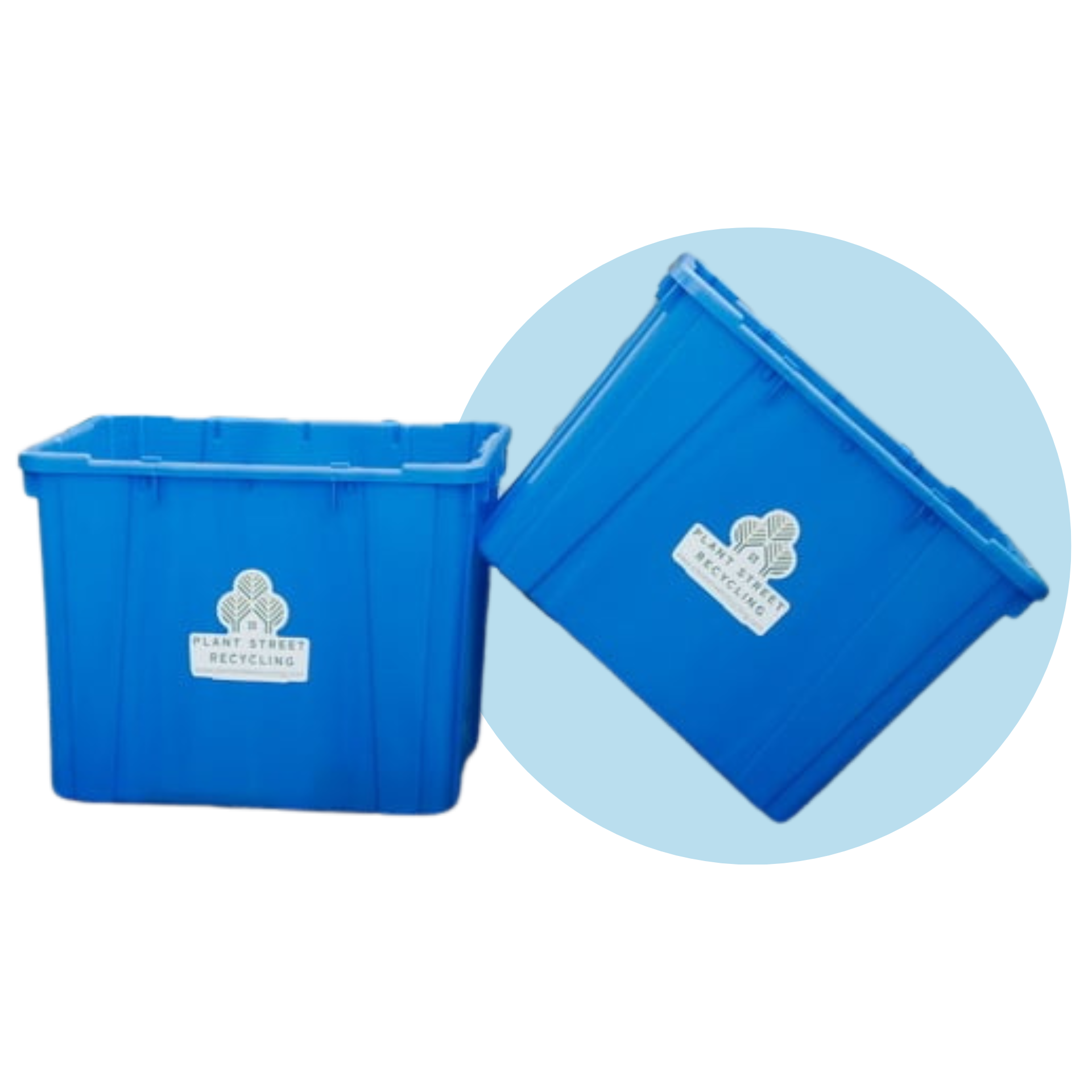
Customers receive dedicated recycling bins, fill them with accepted materials, and place them outside on their neighborhood’s scheduled pickup day. Plant Street Recycling handles the collection and sorting process.
The service accepts five primary categories found in most homes:
- Paper
- Cardboard and paperboard
- Plastic containers
- Glass bottles and jars
- Aluminum and metal cans
Visit the Plant Street Recycling pickup schedule to see current neighborhood service days and determine whether your community is already included.
2. Local Recycling Drop-Off Locations
Some residents prefer to transport their recyclables to a local collection facility. Drop-off recycling may work well for someone who produces a limited amount of one material, has access to a suitable vehicle, and does not mind storing recyclables between trips.
However, not every drop-off location accepts every material. One facility may accept cardboard and paper but not glass or plastic. Another may specialize in metals. Acceptance policies, operating hours, fees, and residential requirements can also change.
Before loading your vehicle, contact the facility or review its current website. Confirm that it accepts the exact material you plan to bring. This is particularly important for plastic, glass, electronics, chemicals, and large quantities of cardboard.
Drop-off recycling can be useful, but it requires more planning than weekly curbside service.
3. City Collection for Special Items
Although the City of Winter Garden no longer provides standard residential recycling pickup, it continues to offer collection or disposal options for certain materials.
Large electronics and appliances may be collected by appointment. Residents should contact the City’s Solid Waste Division to confirm eligibility and schedule pickup.
The City also collects large cardboard boxes on designated bulk collection days. However, the City has clarified that cardboard collected through bulk waste service is not necessarily recycled. Residents who want their cardboard processed as recycling should use a recycling service or confirm acceptance with a dedicated recycling facility.
Large boxes placed out for bulk pickup should be emptied, flattened, stacked separately, and placed at the curb according to the City’s current collection instructions.
4. Orange County Facilities and Retail Collection Programs
Certain materials should never be placed in a standard household recycling bin. These include rechargeable batteries, liquid paint, pool chemicals, pesticides, motor oil, antifreeze, fluorescent bulbs, and other hazardous products.
Orange County provides household hazardous waste and electronic waste disposal options for residents at designated facilities. These include the Orange County Landfill and Porter Transfer Station. Hours, quantity limits, and acceptance requirements can change, so residents should check current Orange County guidance before making a trip.
Some retailers also provide collection bins for specific products such as plastic shopping bags, rechargeable batteries, and small electronics. These programs can be helpful for items that are recyclable through specialized systems but cannot enter a regular residential recycling stream.
What Can You Recycle With Plant Street Recycling?
The easiest way to recycle correctly is to focus on common, clearly accepted materials. Plant Street Recycling collects five core categories generated by most Winter Garden households.
Paper
Accepted paper can include office paper, newspapers, magazines, catalogs, paper bags, mail, envelopes, and other clean paper products.
Paper should be dry and reasonably clean. Wet, greasy, or food-soiled paper can damage otherwise recyclable material.
Before recycling mail or paperwork containing private information, shred or remove sensitive personal details. Residents with a large amount of confidential material may also want to use a secure document shredding event or professional shredding service.
Cardboard and Paperboard
Cardboard is one of the most common recyclables in growing communities like Winter Garden. Online shopping, furniture deliveries, moving boxes, food packaging, and household purchases can quickly produce a large stack.
Accepted cardboard can include clean shipping boxes, moving boxes, cereal boxes, cracker boxes, shoe boxes, paper towel tubes, and similar paperboard packaging.
Flatten boxes before placing them out for recycling. Remove plastic air pillows, bubble wrap, foam, food, and other packaging materials. A small amount of ordinary tape is generally less concerning than large pieces of plastic or foam, but completely emptying the box helps keep the recycling stream clean.
Greasy sections of pizza boxes should not be recycled. If the top of the box is clean, tear it away and recycle only the clean portion.
Plastic Containers
Plastic recycling is one of the most confusing categories because a recycling symbol does not automatically mean an item is accepted by every program.
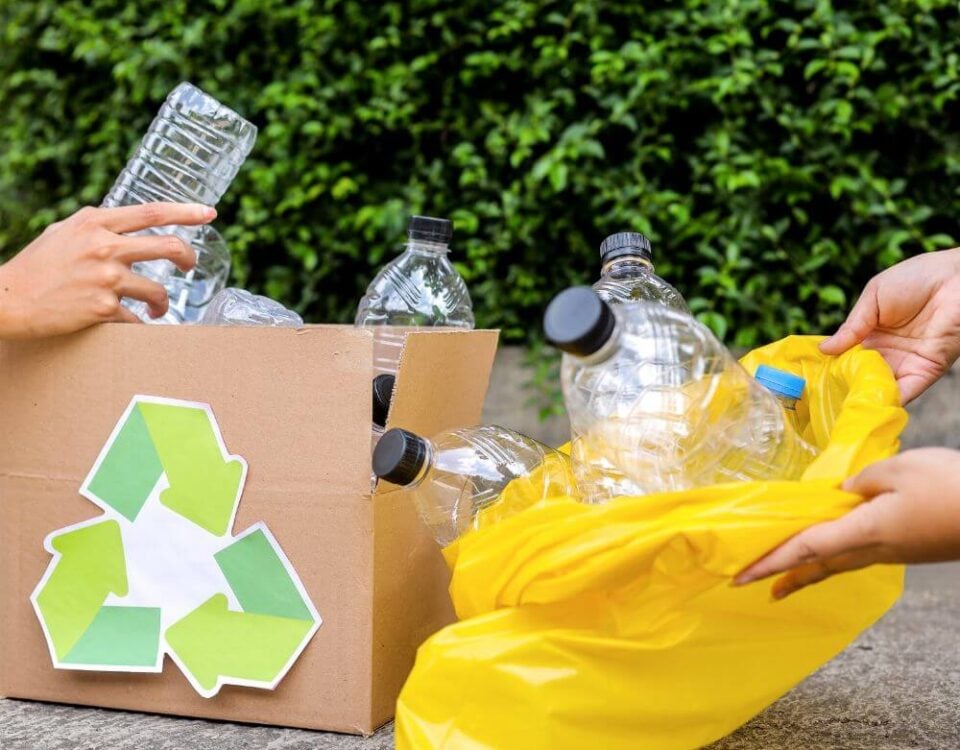
Focus on clean bottles, jugs, tubs, and household containers accepted by Plant Street Recycling. Examples may include water bottles, milk jugs, detergent bottles, shampoo bottles, and certain food containers.
Containers should be emptied and given a quick rinse. They do not need to be spotless, but they should not contain food, grease, or liquid.
Plastic shopping bags, plastic film, bubble wrap, air pillows, and flexible mailers should not be mixed with standard container recycling. These materials can become tangled in equipment and often require a participating retail drop-off program.
Glass Bottles and Jars
Clean glass bottles and jars can be recycled through Plant Street Recycling. Common examples include beverage bottles, pasta sauce jars, condiment jars, and other food containers.
Empty and quickly rinse each container before placing it in the recycling bin.
Not every glass product belongs with bottles and jars. Mirrors, window glass, drinking glasses, ceramics, light bulbs, and cookware can be manufactured differently and should not be included unless a recycling provider specifically confirms acceptance.
Broken glass also presents a safety risk. Contact Plant Street Recycling before placing damaged glass outside so the team can provide appropriate instructions.
Aluminum and Metal Cans
Aluminum beverage cans, clean food cans, and other accepted metal containers are valuable recyclable materials.
Empty cans completely and rinse away food residue. Labels can usually remain attached unless Plant Street Recycling provides different instructions for a particular item.
Do not place propane tanks, pressurized cylinders, scrap automotive parts, wires, or large pieces of metal in a household recycling bin. These items require specialized handling.
What Should Not Go in Your Household Recycling Bins?
Adding a questionable item to the recycling bin and hoping it can be processed is sometimes called wishcycling. Although the intention may be positive, wishcycling can contaminate recyclable material, create safety risks, and slow down sorting.
The following items should generally stay out of regular household recycling unless Plant Street Recycling specifically confirms otherwise:
- Plastic shopping bags and plastic film
- Bubble wrap and air pillows
- Foam and packing peanuts
- Food waste
- Greasy paper or cardboard
- Paper towels, tissues, and napkins
- Diapers and sanitary products
- Garden hoses, cords, wires, and string lights
- Batteries
- Electronics
- Paint and household chemicals
- Propane tanks and pressurized containers
- Clothing and textiles
- Mirrors, ceramics, and drinking glasses
- Construction debris
- Medical waste and needles
When an item is not accepted through curbside recycling, it may still have a responsible disposal or reuse option. Batteries, electronics, plastic bags, clothing, and household chemicals often have separate collection programs.
When in doubt, ask before placing the item in your bin.
Why Recycling Contamination Matters
Recycling contamination occurs when trash, food, liquid, plastic film, hazardous products, or other nonaccepted materials are mixed with recyclable items.
One dirty container will not necessarily ruin an entire collection, but repeated contamination creates significant problems. Food and liquids can soak into paper and cardboard. Plastic bags can become tangled in sorting equipment. Batteries can cause fires. Broken glass can injure workers. Incorrect materials can reduce the value of an otherwise clean load.
Contamination was one of the reasons cited when Winter Garden suspended its former municipal recycling program. The lesson is not that recycling cannot work. It is that successful recycling depends on clear rules, responsible participation, and reliable processing.
Plant Street Recycling helps reduce confusion by focusing on familiar household materials and providing direct communication to customers. Residents do not have to guess based on instructions written for another city or recycling company.
How to Prepare Household Recycling for Pickup
Correct preparation does not need to take much time. A simple household routine can keep recycling clean and prevent overflowing bins.
Empty Every Container
Remove all food, beverages, soap, and other contents. Containers filled with liquid or food residue can contaminate nearby paper and cardboard.
Give Containers a Quick Rinse
A brief rinse is usually enough. Recycling should be reasonably clean, but residents do not need to waste large amounts of water scrubbing every jar or bottle.
Keep Paper and Cardboard Dry
Wet paper fibers are weaker and more difficult to process. Keep bins covered when possible and avoid placing wet cardboard outside before pickup.
Flatten Cardboard Boxes
Flattening boxes saves bin space and makes collection more efficient. Remove foam, plastic wrap, and other packaging materials first.
Keep Plastic Bags Out
Do not place recyclables inside tied plastic garbage bags unless Plant Street Recycling specifically instructs you to do so. Loose materials are easier to inspect and sort.
Check the Pickup Schedule
Place bins outside according to your neighborhood’s designated pickup day. Plant Street Recycling provides an online schedule for participating communities throughout Winter Garden.
Curbside Recycling Versus Drop-Off Recycling
Both curbside and drop-off recycling can keep useful materials out of the trash. The biggest difference is convenience.
Drop-off recycling requires residents to sort materials according to each facility’s rules, store them at home, load them into a vehicle, drive to the appropriate location, and unload them during operating hours. If one location does not accept everything, multiple trips may be required.
Curbside recycling incorporates the process into a household’s normal weekly routine. Residents place accepted materials in dedicated bins and set them outside on the scheduled day.
For busy families, professionals, retirees, and residents with limited transportation, curbside pickup can make the difference between wanting to recycle and actually recycling every week.
Consistency matters. A household that recycles a small amount every week can divert more material over time than one that makes an occasional drop-off trip when storage space becomes available.
How Plant Street Recycling Makes Local Recycling Easier
Plant Street Recycling was created by Winter Garden residents in response to a local need. When municipal curbside recycling ended, the desire to recycle did not disappear. The convenient system disappeared.
Plant Street Recycling brings that convenience back through:
- Weekly residential pickup
- Dedicated recycling bins
- Clear lists of accepted materials
- Neighborhood-based pickup schedules
- Local customer support
- Simple monthly pricing
- No need to transport everyday recyclables to multiple facilities
Because the company focuses specifically on local service, customers can ask questions and receive guidance based on the materials Plant Street Recycling actually collects.
The result is a recycling routine designed around real Winter Garden households.
How to Start Recycling in Winter Garden
Getting started takes only a few steps.
First, review how Plant Street Recycling works and confirm that your neighborhood is within the active service area.
Next, complete the online registration process and review your designated pickup day.
Once your bins arrive, place them somewhere convenient inside your garage, laundry area, pantry, or another accessible location. Make recycling as easy to reach as the trash can.
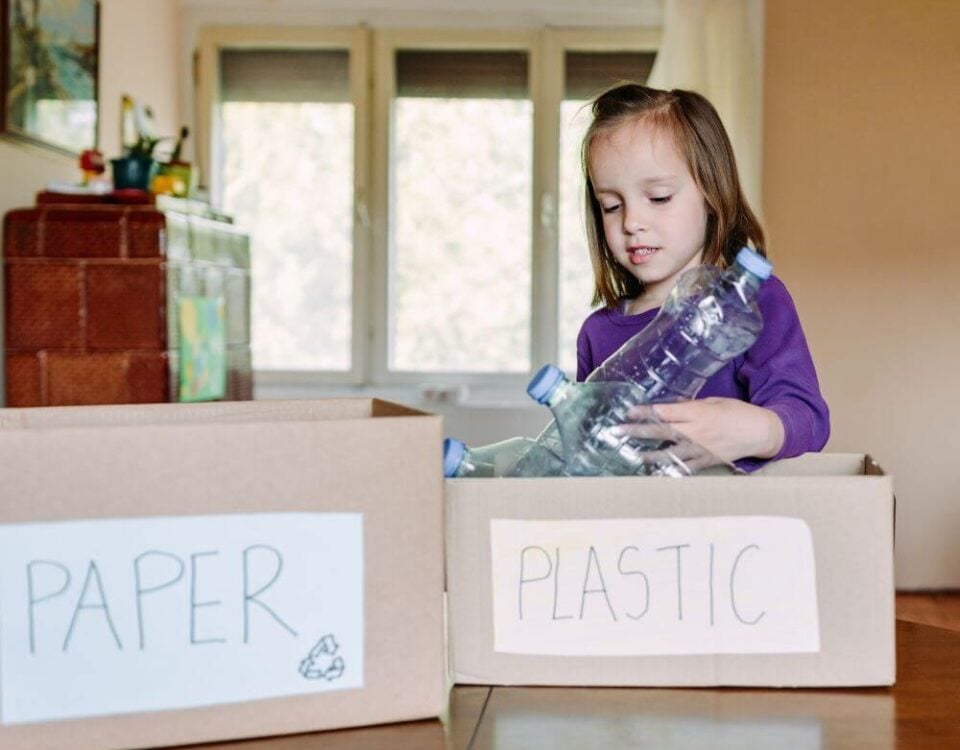
Teach everyone in the household the five primary categories: paper, cardboard, plastic containers, glass bottles and jars, and metal cans.
Empty and quickly rinse containers, flatten boxes, and keep nonaccepted materials out.
Finally, place your recycling outside by the designated time on your scheduled collection day.
A successful recycling habit should not feel complicated. The easier the system is to follow, the more likely the entire household will participate consistently.
Frequently Asked Questions About Winter Garden Recycling
Does the City of Winter Garden still provide curbside recycling?
The City suspended its municipal residential curbside recycling program effective January 1, 2025. Private services such as Plant Street Recycling now give residents another way to receive weekly curbside recycling pickup.
How much does Plant Street Recycling cost?
Plant Street Recycling currently lists residential service at $25 per month. Visit the registration page for the latest pricing, service details, and neighborhood availability.
Do I need to sort my recycling?
Plant Street Recycling accepts five core categories of household recyclables and handles the collection process. Customers should still separate unacceptable items and prepare materials by emptying containers, rinsing residue, and flattening cardboard.
Can I recycle cardboard in Winter Garden?
Yes. Plant Street Recycling accepts clean cardboard and paperboard through its curbside service. Flatten boxes and remove plastic, foam, food, and other packing materials.
The City may collect oversized boxes on bulk collection days, but City guidance states that cardboard collected as bulk waste is not necessarily recycled.
Can plastic bags go in my recycling bin?
No. Plastic shopping bags, film, air pillows, and flexible mailers should not be placed with standard household containers. Look for a participating retail collection program that specifically accepts plastic film.
Where can I take batteries, paint, or household chemicals?
These products require specialized disposal. Orange County provides household hazardous waste drop-off options at designated facilities. Confirm current hours, limits, and accepted items before visiting.
What should I do with electronics and appliances?
Winter Garden residents can contact the City to request collection of qualifying electronics and appliances. Orange County also provides electronic waste options at certain facilities and community collection events.
Make Winter Garden Recycling Part of Your Weekly Routine
Winter Garden may no longer provide municipal curbside recycling, but residents do not have to give up the habit or spend their weekends driving bags of recyclables to different facilities.
Plant Street Recycling offers a simple local alternative. With weekly curbside pickup, clear recycling guidelines, and service designed specifically for Winter Garden neighborhoods, households can recycle paper, cardboard, plastic containers, glass, and metal without adding another complicated task to the week.
Every bottle, can, box, and piece of paper kept out of the trash contributes to a cleaner recycling stream and a more sustainable community.