Earth Day in Winter Garden: 60,000 Pounds of Waste Offset by Plant Street Recycling
April 15, 2026
Summer Decluttering: How to Recycle Responsibly
June 1, 2026Most families do not realize just how much waste they produce in a single year. Trash is something we take out weekly, often without a second thought, yet those small bags quickly add up into something far more significant. When you begin to look at the numbers, the reality becomes hard to ignore. The average American generates about 4.9 pounds of waste per day. When multiplied across an entire household, that number grows rapidly.
For a typical family of four, that equals nearly 20 pounds of waste every single day. Over the course of a year, that adds up to more than 7,000 pounds of trash. That is over three tons of waste coming from just one household. Now imagine that multiplied across neighborhoods, cities, and entire regions like Winter Garden. The scale becomes staggering.
This is why understanding household waste is not just an environmental conversation. It is a practical one. The more aware families become, the more opportunities they have to reduce waste, recycle effectively, and make smarter choices that benefit both their home and their community.
Breaking Down What Families Throw Away
To truly understand how much waste the average family produces, it helps to look at what actually ends up in the trash. Household waste is not just one category. It is made up of several different types of materials, many of which could be reduced or recycled with the right systems in place.
A large portion of household waste is organic material. Food scraps alone make up a significant percentage of what families throw away each week. From uneaten leftovers to spoiled produce, food waste is one of the biggest contributors to landfill volume. This is especially important because organic waste does not simply disappear. When it breaks down in landfills, it produces methane, a greenhouse gas that is far more potent than carbon dioxide.
Another major category is packaging. Cardboard boxes, plastic containers, shipping materials, and wrapping all contribute heavily to household waste. With the rise of online shopping, many families are bringing more packaging into their homes than ever before. Every delivery adds layers of cardboard, plastic wrap, and protective materials that often end up in the trash.
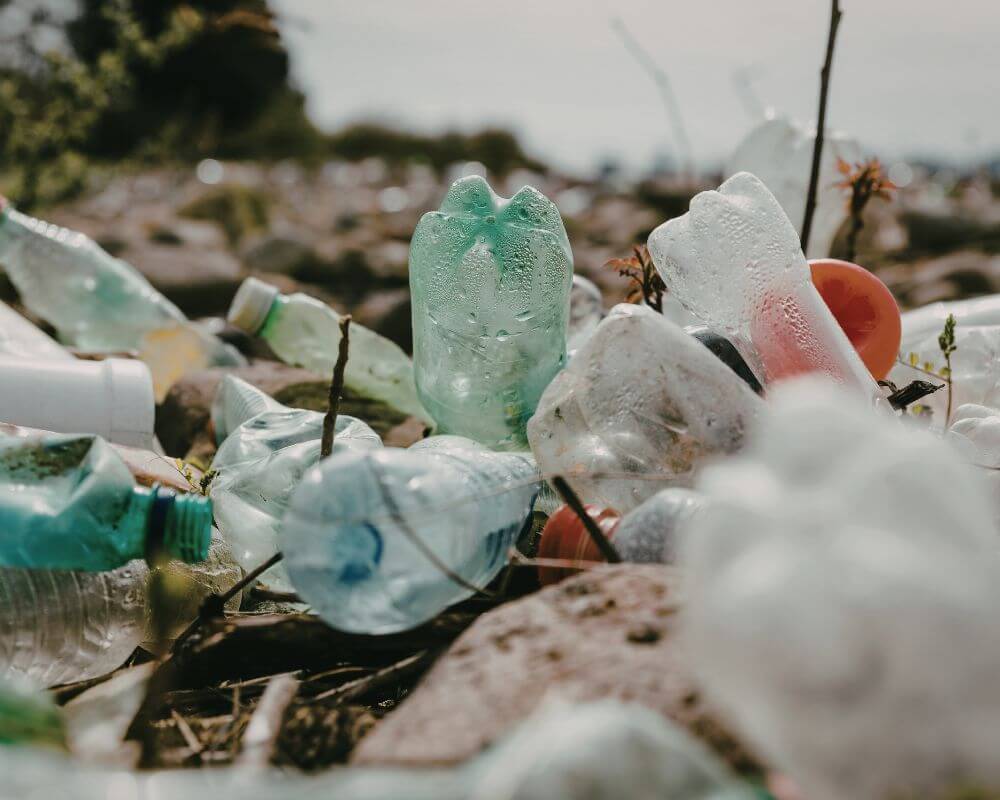
Plastics are another major concern. While some plastics are recyclable, many are not accepted in standard recycling programs. Items like plastic bags, certain food containers, and mixed-material packaging often end up in landfills. This is one of the reasons why recycling education is so important. Many families believe they are recycling correctly when, in reality, they are unknowingly contributing to contamination in recycling streams.
Paper products also make up a large portion of household waste. This includes everything from junk mail to paper towels and disposable plates. While some paper items can be recycled, others cannot due to contamination or material type.
Finally, there is a category of miscellaneous waste that includes items like broken toys, old clothing, small electronics, and household goods. These items often get thrown away simply because families are unsure of how to properly dispose of them.
How Household Waste Adds Up Over Time
It is easy to underestimate waste because it is typically handled in small, daily amounts. A grocery bag here, a takeout container there. However, when you step back and look at the long-term impact, the numbers tell a different story.
Consider a single week. If a family produces 20 pounds of waste per day, that equals 140 pounds per week. Over a month, that number climbs to more than 600 pounds. By the end of the year, that same household has generated over three tons of waste.
What makes this even more significant is that a large percentage of that waste could have been diverted from landfills. Studies consistently show that much of what ends up in household trash bins could be recycled or composted. This means that the true issue is not just how much waste is produced, but how it is managed.
In communities like Winter Garden, where growth and development continue to increase, waste management becomes even more critical. More families mean more waste, which places greater demand on local landfills and recycling systems.
The Environmental Impact of Family Waste
The impact of household waste goes far beyond the trash can. Every bag of garbage that leaves a home has a destination, and that destination is often a landfill. Landfills are designed to contain waste, but they come with significant environmental challenges.
One of the biggest concerns is greenhouse gas emissions. As organic waste decomposes in landfills, it produces methane. This gas is a major contributor to climate change. Reducing food waste and increasing composting efforts can significantly decrease methane emissions at the household level.
Another issue is land use. Landfills require large amounts of space, and as populations grow, so does the need for new landfill sites. This can lead to the loss of natural habitats and green spaces, particularly in rapidly developing areas.
Water contamination is also a concern. When waste breaks down, it can produce a liquid known as leachate. If not properly managed, this liquid can seep into the ground and contaminate local water supplies.
Plastic waste presents its own set of challenges. Unlike organic materials, plastics do not break down easily. Instead, they fragment into smaller pieces known as microplastics, which can enter ecosystems and even the food chain.
All of these factors highlight why reducing household waste is so important. It is not just about keeping homes clean. It is about protecting the environment for future generations.
Why Most Families Underestimate Their Waste
One of the most interesting aspects of household waste is how often it is underestimated. Many families believe they produce far less waste than they actually do. This is largely because waste is removed from the home on a regular basis, making it easy to forget about.
Out of sight often means out of mind. Once trash is placed at the curb, it becomes someone else’s responsibility. However, the environmental impact does not disappear. It simply shifts to another location.
Another reason for underestimation is the normalization of waste. Modern lifestyles are built around convenience, and convenience often comes with disposable products. From single-use packaging to fast fashion, many everyday items are designed to be used once and discarded.
There is also a lack of clear education around recycling. Many families want to recycle but are unsure of the rules. This leads to confusion and, in some cases, recycling contamination. When non-recyclable items are placed in recycling bins, it can disrupt the entire process.
In areas like West Orange County, where communities are growing and evolving, there is a strong opportunity to improve awareness and create better systems for waste reduction.
The Role of Recycling in Reducing Household Waste
Recycling plays a critical role in managing household waste, but it is only effective when done correctly. Simply placing items in a recycling bin is not enough. Understanding what can and cannot be recycled is essential.
Materials like cardboard, certain plastics, glass, and metals can often be recycled and turned into new products. This reduces the need for raw materials and lowers the overall environmental impact.
However, contamination is one of the biggest challenges in recycling programs. When items like food-soiled containers or non-recyclable plastics are placed in recycling bins, they can cause entire batches to be rejected. This means that even recyclable materials may end up in landfills if the system is not used properly.
For families, this highlights the importance of education and consistency. Small changes, such as rinsing containers or separating materials correctly, can make a big difference.
Local recycling services, including those serving communities like Winter Garden, play a key role in helping families manage their waste more effectively. By providing clear guidelines and accessible services, these programs make it easier for households to participate in sustainable practices.
Practical Ways Families Can Reduce Waste Immediately
Once families understand how much waste they are producing each year, the next question becomes obvious. What can actually be done about it? The good news is that reducing household waste does not require a complete lifestyle overhaul. In fact, the most effective changes are often simple, repeatable habits that fit naturally into everyday routines.
One of the easiest places to start is in the kitchen. Since food waste makes up such a large percentage of household trash, even small improvements can have a major impact. Planning meals ahead of time helps reduce overbuying at the grocery store, which in turn prevents food from going bad before it is used. Storing food properly and using leftovers creatively can also significantly cut down on what gets thrown away each week.
Another effective strategy is switching from disposable items to reusable alternatives. Items like paper towels, plastic bags, and single-use containers are convenient, but they quickly add up in both cost and waste. Replacing these with reusable cloths, storage containers, and shopping bags can reduce hundreds of pounds of waste per year for the average family.
Packaging is another area where families can make immediate changes. Choosing products with minimal or recyclable packaging helps reduce what enters the home in the first place. This is especially important in a world where online shopping has become the norm. Being mindful of packaging choices, and consolidating orders when possible, can limit the amount of cardboard and plastic that ends up in the trash.

How Much Waste Can a Family Actually Reduce?
The idea of reducing waste can feel overwhelming at first, especially when you consider that the average family produces over 7,000 pounds per year. However, studies consistently show that a large portion of that waste is avoidable.
A realistic goal for most families is to reduce their waste by 25 to 50 percent over time. That means cutting down anywhere from 1,750 to 3,500 pounds of waste annually. This is not just a theoretical number. It is achievable through consistent habits and small adjustments.
For example, composting alone can remove a significant portion of organic waste from the trash stream. Food scraps, coffee grounds, and yard waste can all be composted instead of sent to a landfill. This not only reduces waste but also creates nutrient-rich soil that can be used in gardens and landscaping.
Recycling correctly can also make a major difference. When families understand what materials are accepted and how to prepare them, they can divert large amounts of waste away from landfills. This is particularly important in growing communities like Winter Garden, where waste reduction efforts can have a meaningful local impact.
Reducing waste is not about perfection. It is about progress. Even small improvements, when multiplied over time, lead to significant results.
Creating a Simple Waste Reduction System at Home
One of the biggest reasons families struggle to reduce waste is a lack of systems. Without a clear and simple process in place, even the best intentions can fall apart. The key is to make waste reduction as easy and automatic as possible.
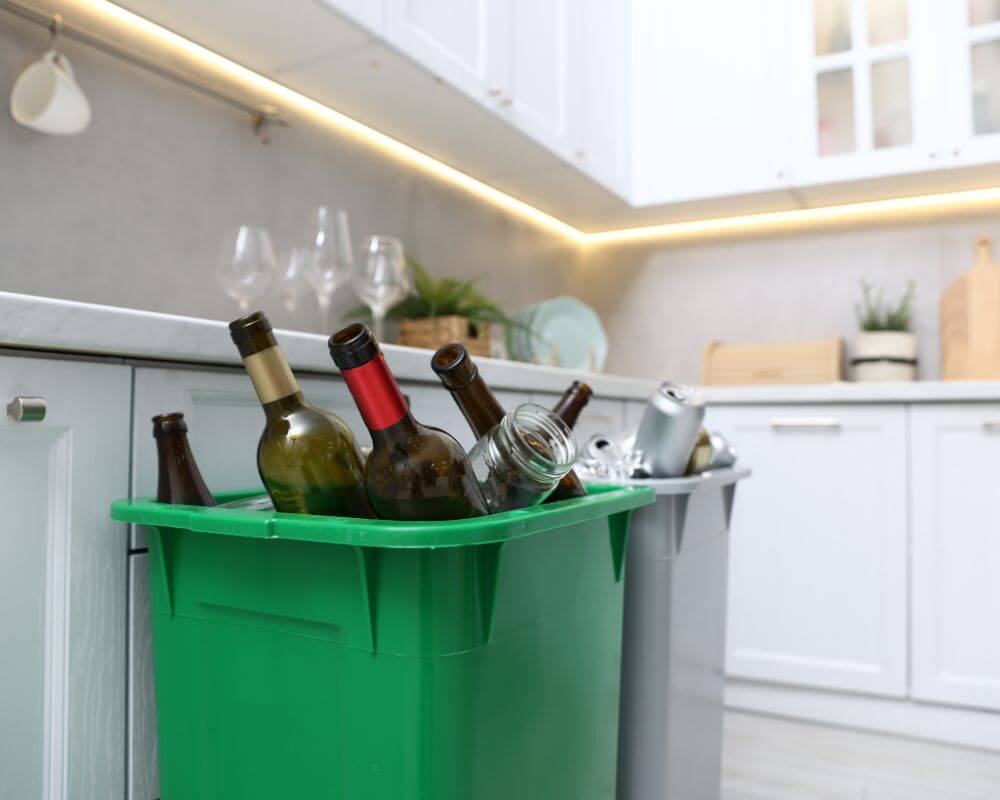
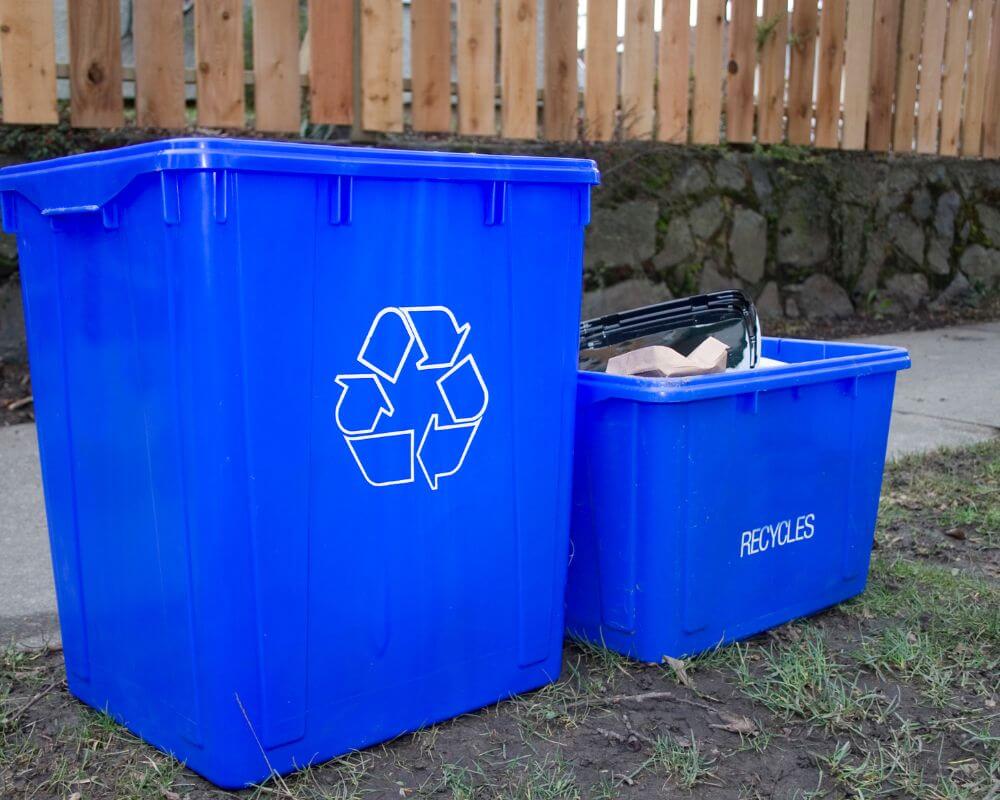
A good starting point is setting up clearly labeled bins for trash, recycling, and compost. When these options are easily accessible, it becomes much more natural for everyone in the household to make the right choice. This is especially helpful for families with children, as it creates an opportunity to build habits early.
Consistency is also important. Keeping recycling guidelines visible, such as on the fridge or near the bins, helps reinforce proper sorting. Over time, these actions become second nature.
Another effective system is conducting a simple waste audit. This does not have to be complicated. Families can spend a week paying attention to what they throw away and identifying patterns. Are there certain items that appear frequently? Are there opportunities to replace disposable products with reusable ones? This awareness often leads to quick and impactful changes.
In areas like West Orange County, where families are balancing busy schedules with growing households, having a streamlined system can make all the difference. The easier it is to recycle and reduce waste, the more likely it is to happen consistently.
Teaching Kids About Waste and Sustainability
For many families, one of the most powerful opportunities lies in teaching children about waste and sustainability. Kids are naturally curious, and they often respond well to simple, hands-on lessons about caring for the environment.
Involving children in recycling routines is a great place to start. Letting them help sort materials or take out the recycling bin gives them a sense of responsibility and ownership. Over time, these small actions shape their understanding of how their choices impact the world around them.
Another effective approach is connecting waste reduction to everyday life. For example, explaining where trash goes after it leaves the house can make the concept more tangible. Visiting local recycling centers or participating in community clean-up events can also reinforce these lessons in a meaningful way.
Families in communities like Winter Garden have a unique opportunity to lead by example. When children grow up seeing sustainable habits as a normal part of life, they are more likely to carry those habits into adulthood.
The Financial Benefits of Reducing Waste
While the environmental benefits of reducing waste are clear, many families are surprised to learn that there are financial advantages as well. Waste reduction often leads to smarter spending, which can result in noticeable savings over time.
For example, reducing food waste means getting more value out of groceries. When families plan meals and use what they buy, they are less likely to throw money away on spoiled food. This alone can save hundreds of dollars each year.
Switching to reusable products also reduces ongoing expenses. While there may be an initial investment in items like reusable containers or cloth towels, these products pay for themselves over time by eliminating the need for constant repurchasing.
Even recycling can have indirect financial benefits. Communities that effectively manage waste often experience lower long-term costs associated with landfill use and environmental cleanup. This can contribute to more sustainable local economies, particularly in growing regions like West Orange County.
How Local Recycling Services Make a Difference
While individual actions are important, local recycling services play a critical role in helping families reduce their waste. Having access to reliable, easy-to-use recycling programs makes it much more practical for households to participate in sustainable practices.
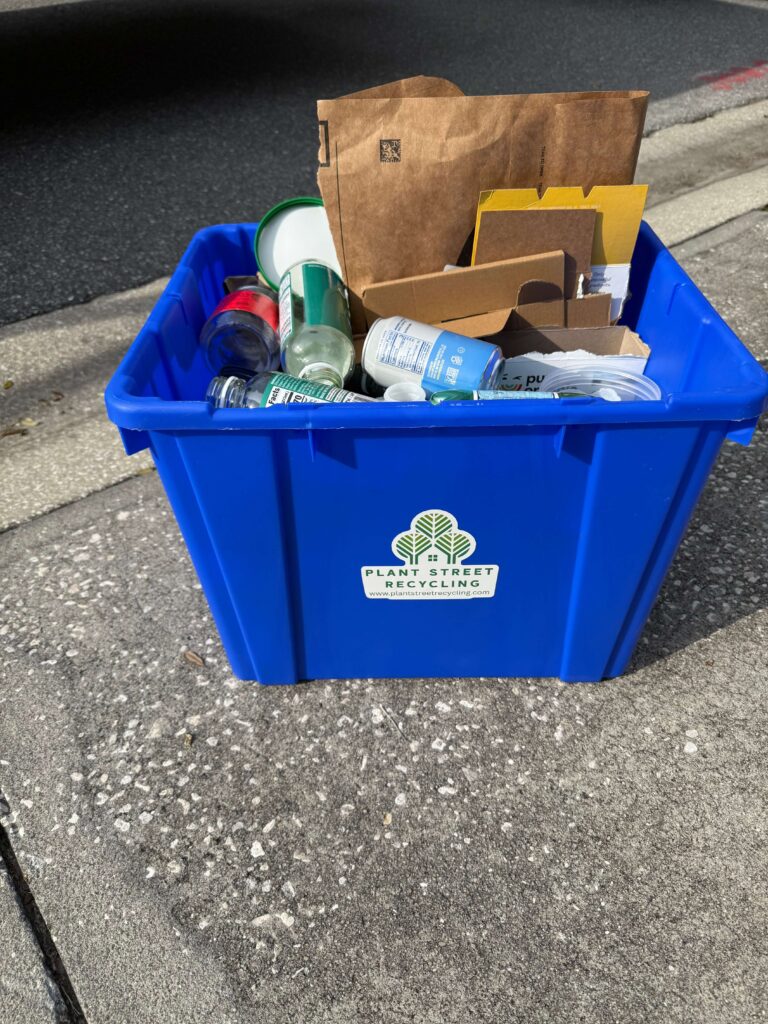
Services like those offered by Plant Street Recycling provide families with the tools and guidance they need to manage their waste more effectively. From clear recycling guidelines to convenient pickup options, these services remove many of the barriers that prevent people from recycling consistently.
In communities like Winter Garden, where growth continues to bring new families into the area, strong local recycling programs are essential. They not only help reduce landfill waste but also support a culture of sustainability that benefits the entire community.
Another important aspect of local recycling services is education. Many families want to do the right thing but are unsure how. Providing clear, accessible information about what can be recycled and how to prepare materials makes a significant difference.
Ultimately, reducing household waste is a shared effort. It requires both individual commitment and community support. When these two elements come together, the impact can be substantial.
Small Changes, Big Long-Term Impact
When you step back and look at the full picture, the amount of waste produced by the average family can feel overwhelming. More than 7,000 pounds of waste per year is not a small number. It represents daily habits, purchasing decisions, and systems that have become normal in modern life. However, the most important takeaway is not just the size of the problem. It is the opportunity that exists to change it.
The reality is that most of that waste does not have to exist in the first place. A large portion can be reduced, reused, or recycled with relatively simple adjustments. When families begin to make small, intentional changes, those changes compound over time. What starts as one reusable bag or one less bag of trash per week can turn into thousands of pounds of waste diverted from landfills each year.
In growing communities like Winter Garden, these changes matter even more. As more families move into the area, the demand on waste systems increases. That means every household that reduces its waste is contributing to a healthier, more sustainable community.
What Your Family’s Waste Really Represents
It is easy to think of waste as something that simply disappears once it leaves the curb, but that is not the case. Every item thrown away has a lifecycle. It required resources to produce, energy to transport, and space to dispose of. When families reduce waste, they are not just cleaning up their homes. They are conserving resources and reducing environmental strain at every stage of that lifecycle.
Your household waste is also a reflection of your habits. It tells a story about how you shop, how you eat, and how you manage your home. The encouraging part is that this story can change. By becoming more aware of what is being thrown away, families can begin to shift toward more sustainable choices without sacrificing convenience or quality of life.
This is particularly relevant in areas like West Orange County, where families are balancing busy schedules with a desire to live responsibly. The goal is not perfection. The goal is awareness and improvement.
A Community-Wide Opportunity
When one family reduces waste, the impact is meaningful. When an entire community does it, the results are transformational. Imagine the difference if every household reduced its waste by even 25 percent. In a community the size of Winter Garden, that would represent thousands of tons of waste kept out of landfills each year.
This kind of impact does not require extreme measures. It comes from consistent, everyday actions. Recycling correctly, reducing food waste, choosing reusable products, and being mindful of packaging all contribute to a larger movement toward sustainability.
Local businesses and services play an important role in supporting this effort. When families have access to reliable recycling options and clear guidance, they are far more likely to participate. This is where companies like Plant Street Recycling make a difference. By providing practical solutions and education, they help turn good intentions into real results.
Why Recycling Alone Is Not Enough
While recycling is a critical part of the solution, it is important to recognize that it is only one piece of the puzzle. The most effective approach to waste reduction follows a simple hierarchy. First, reduce what comes into the home. Second, reuse what you already have. Third, recycle what cannot be reused.
Focusing only on recycling without addressing consumption can limit the overall impact. For example, continuously buying heavily packaged products and relying on recycling to manage the waste does not solve the root issue. Reducing packaging and choosing more sustainable options from the start is often more effective.
That said, recycling remains an essential tool. When done correctly, it conserves resources, reduces landfill use, and supports the creation of new products from existing materials. The key is combining recycling with other waste reduction strategies to create a more complete approach.
Taking the First Step Starts Today
One of the most common reasons families do not take action is the belief that it requires too much effort or change. In reality, the first step is often the simplest. It might be as small as paying attention to what goes into the trash this week or setting up a dedicated recycling space at home.
From there, each step builds on the last. Small improvements become habits, and habits become a lifestyle. Over time, these changes not only reduce waste but also create a more organized and intentional home environment.
Families in Winter Garden and surrounding areas are in a great position to lead this change. With access to local recycling services and a growing focus on sustainability, there is a strong foundation for making a lasting impact.
The Bottom Line on Household Waste
So how much waste does the average family produce each year? The answer, as we have seen, is more than most people expect. Over 7,000 pounds of waste per year is a powerful reminder of how everyday habits add up over time.
But the more important question is this. How much of that waste can be reduced? The answer is encouraging. With the right systems and awareness, families can cut a significant portion of that waste and make a meaningful difference.
Reducing waste is not about doing everything perfectly. It is about making better choices, one step at a time. Whether it is recycling more effectively, reducing food waste, or choosing reusable products, every action contributes to a larger impact.
And when those actions are multiplied across entire communities like West Orange County, the results can be truly transformative.