How Families Can Make Winter Garden Recycling Part of Everyday Life
February 2, 2026
Earth Day in Winter Garden: 60,000 Pounds of Waste Offset by Plant Street Recycling
April 15, 2026Teaching kids about recycling is one of the most powerful ways families can help protect the environment. Children who learn about sustainability at an early age often carry those habits with them throughout their lives. These early lessons influence how they think about waste, natural resources, and their responsibility to care for the planet. By introducing recycling education at home, parents can empower children to become environmentally responsible adults.
Recycling education does not have to be complicated or overwhelming. In fact, the most effective lessons often happen through everyday routines. Sorting recyclables together, discussing what happens to trash after it leaves the house, and explaining why recycling matters can all help children develop a deeper understanding of environmental stewardship.
Families play an essential role in shaping environmental awareness. Schools and community programs can introduce sustainability concepts, but the habits children form at home are what truly influence long-term behavior. When recycling becomes a normal part of daily life, children begin to see it as a natural responsibility rather than an inconvenience.
Teaching kids about recycling also encourages them to think about the world beyond their immediate surroundings. Children begin to understand that their actions affect animals, ecosystems, and communities around the world. These lessons help develop empathy, responsibility, and a sense of connection to the planet.
As environmental challenges such as pollution and landfill overflow continue to grow, educating the next generation about sustainability becomes increasingly important. Families that prioritize recycling education are helping build a future where responsible resource management is the norm rather than the exception.
Why Recycling Education Matters for Children
Children are naturally curious about the world around them. They ask questions about where things come from, how they are made, and where they go when they are no longer needed. Recycling education taps into this curiosity and transforms it into meaningful learning experiences.
When children learn about recycling, they begin to understand the concept of limited resources. Many natural resources used to create products—such as trees, metals, and fossil fuels—cannot be replaced quickly once they are used. Recycling helps conserve these resources by allowing materials to be reused rather than discarded.
Recycling education also teaches responsibility. When children participate in sorting waste and recycling materials, they begin to understand that their actions have consequences. They learn that simple choices—like putting a plastic bottle in a recycling bin instead of a trash can—can make a positive impact.
Another benefit of teaching kids about recycling is that it encourages problem-solving skills. Children learn to identify recyclable materials, evaluate whether items can be reused, and think critically about waste. These skills extend beyond environmental topics and help children develop thoughtful decision-making abilities.
Environmental education also helps children develop respect for nature. When they learn how pollution harms wildlife, contaminates water, and damages ecosystems, they become more motivated to protect the environment. This awareness often leads to other sustainable habits such as conserving water, reducing energy use, and minimizing waste.
Ultimately, recycling education provides children with a sense of empowerment. Instead of feeling overwhelmed by environmental problems, they learn that their individual actions can contribute to positive change.
The Environmental Impact of Recycling
Recycling plays a critical role in protecting the environment. By reusing materials instead of discarding them, recycling reduces the need to extract new raw resources from the earth. This conservation of natural resources helps protect forests, reduce mining activities, and preserve ecosystems.
For example, recycling aluminum cans saves a significant amount of energy compared to producing aluminum from raw materials. In fact, recycling aluminum requires about 95 percent less energy than creating new aluminum from ore. This reduction in energy use also decreases greenhouse gas emissions, which contribute to climate change.
Paper recycling also has a major environmental impact. Recycling paper reduces the number of trees that must be harvested for new paper products. Trees play an essential role in absorbing carbon dioxide and producing oxygen, so preserving forests is critical for maintaining healthy ecosystems.
Recycling also helps reduce landfill waste. Landfills take up large amounts of land and can pose environmental risks if waste materials break down improperly. Some items may take hundreds of years to decompose, releasing harmful chemicals into the soil and groundwater.
By diverting recyclable materials away from landfills, communities can reduce pollution and extend the lifespan of existing waste management facilities. Teaching kids about recycling helps them understand these benefits and recognize the importance of responsible waste disposal.
When children see how recycling helps protect wildlife, conserve natural resources, and reduce pollution, they begin to view sustainability as something meaningful rather than abstract. This understanding often motivates them to participate enthusiastically in recycling activities at home and school.
How Families Can Start Recycling at Home
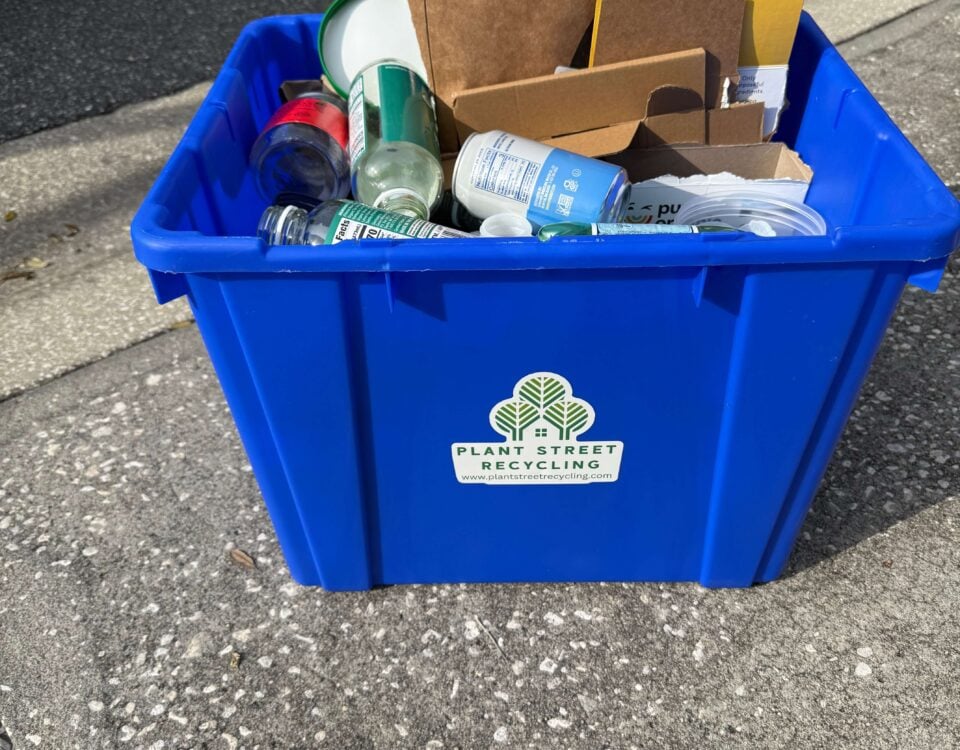
Starting a family recycling routine does not require complicated systems or expensive equipment. In most cases, it simply requires organization and consistency. Setting up clearly labeled recycling bins in the home is one of the easiest ways to encourage participation.
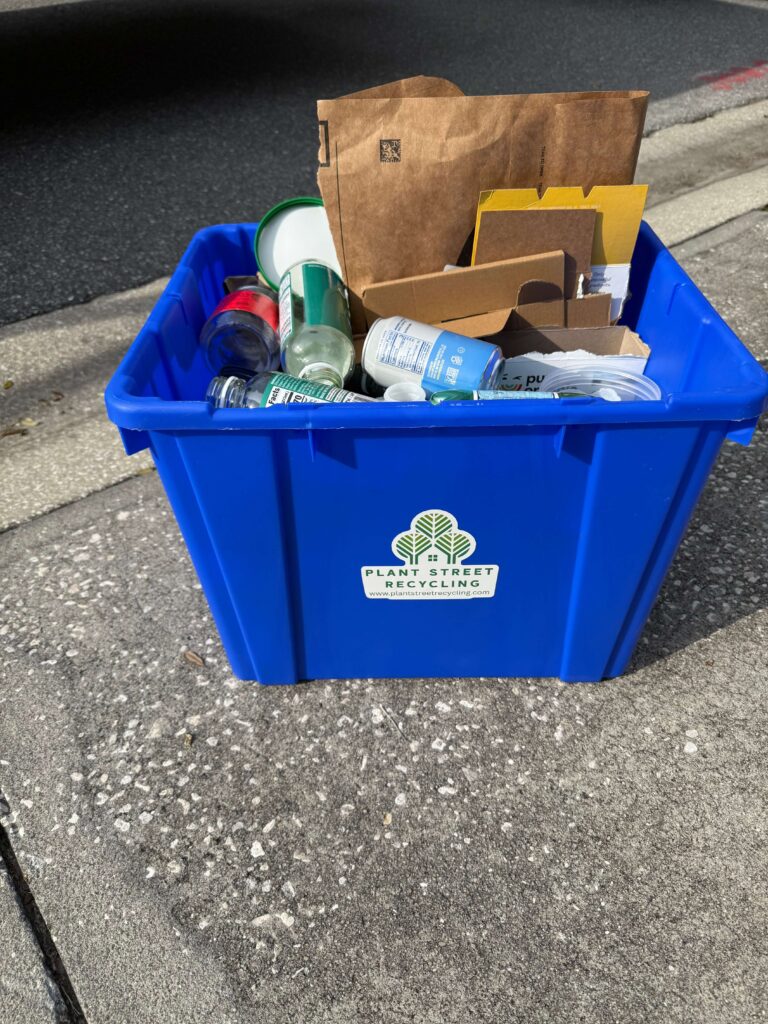
Parents can designate separate bins for common recyclable materials such as paper, cardboard, plastic containers, aluminum cans, and glass bottles. Clear labels or pictures can help younger children understand which items belong in each bin.
It is also helpful to place recycling bins in convenient locations throughout the home. For example, placing a recycling bin in the kitchen makes it easier to dispose of food packaging and containers responsibly. A bin in the garage or utility room can help collect larger recyclable items.
Parents can involve children directly in the recycling process by allowing them to help sort materials. This hands-on experience reinforces recycling habits and helps children learn to recognize recyclable items.
Another effective strategy is explaining why certain items can be recycled while others cannot. For example, discussing why plastic bottles are recyclable but plastic bags may require special recycling programs helps children understand the complexity of waste management.
By making recycling a shared family activity, parents can create positive associations with sustainability. Children who grow up participating in recycling routines are far more likely to continue these habits into adulthood.
Making Recycling Fun for Kids
One of the most effective ways to teach children about recycling is by making the process fun and engaging. Kids naturally enjoy games, challenges, and hands-on activities, so incorporating these elements into recycling education can help them stay interested and motivated.
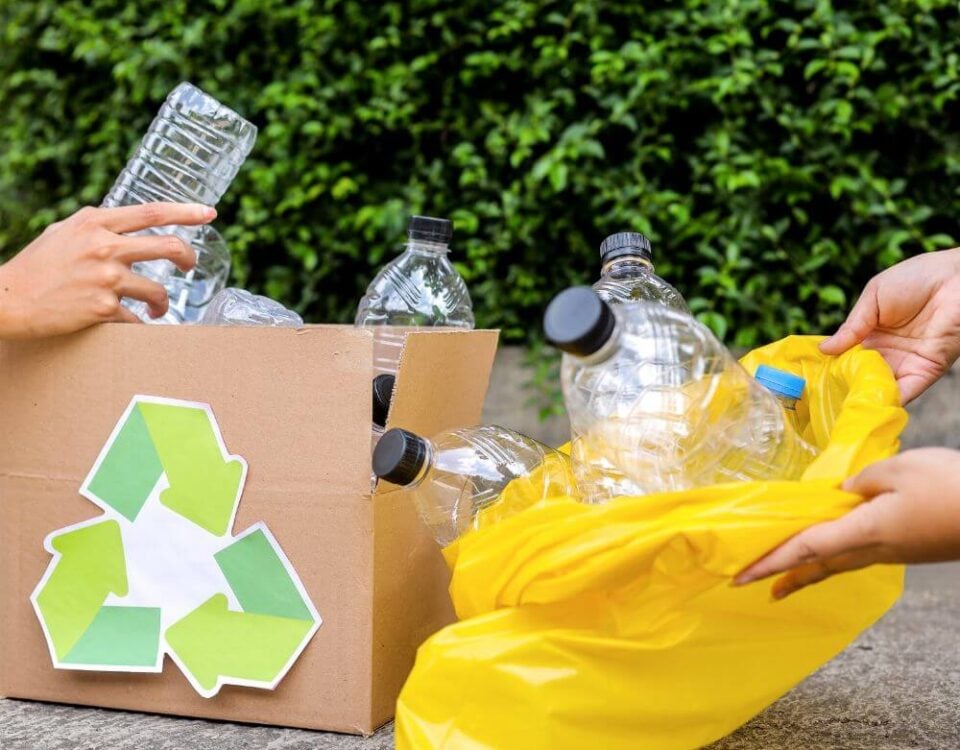
Parents can start by turning recycling into a simple sorting game. For example, gather a group of recyclable items such as plastic bottles, cardboard boxes, and aluminum cans. Then ask children to sort the items into the correct bins. Younger children may enjoy racing against the clock, while older kids might enjoy keeping score to see how many items they sort correctly.
Another fun activity is creating a weekly recycling challenge. Families can track how many recyclable items they collect each week and set goals for improvement. Children often enjoy seeing their progress and celebrating when they reach milestones.
Reward systems can also help encourage participation. For example, families might reward children for consistently recycling by allowing them to choose a family movie night or outdoor activity. These small incentives reinforce positive behavior while making sustainability feel exciting.
Parents can also involve children in decorating recycling bins. Allowing kids to personalize bins with stickers, drawings, or labels makes the recycling process feel more engaging and personal. When children feel ownership over their recycling responsibilities, they are more likely to follow through with the habit.
Another effective approach is storytelling. Parents can explain how recycled materials are transformed into new products. For example, aluminum cans may become new beverage containers, and recycled paper can become notebooks or cardboard packaging. When children see the “life cycle” of recyclable materials, they better understand why recycling matters.
Making recycling fun not only encourages participation but also helps children develop positive associations with sustainability. These experiences can shape their attitudes toward environmental responsibility for years to come.
Creative Recycling Crafts for Kids
Arts and crafts provide another excellent opportunity to teach children about recycling. Many everyday household items can be transformed into creative projects instead of being thrown away.
For example, cardboard boxes can be turned into playhouses, toy storage bins, or creative sculptures. Paper towel rolls can become binoculars, bird feeders, or decorative crafts. Plastic bottles can be repurposed into planters, watering cans, or simple science experiments.
These creative activities help children see that many items still have value even after their original purpose has ended. Instead of viewing objects as disposable, kids begin to recognize opportunities for reuse.
Recycling crafts also encourage creativity and problem-solving. Children must think about how to reshape materials, combine items, and design new creations. These activities promote imagination while reinforcing sustainability lessons.
Parents can organize family craft days using recycled materials. This allows children to experiment with different ideas and explore creative possibilities. Teachers and schools often incorporate similar projects into environmental education programs because they combine learning with hands-on engagement.
Another benefit of recycling crafts is that they reduce household waste. Instead of discarding items immediately, families can find new uses for them. This reinforces the concept that recycling is only one part of sustainability, while reusing items can be even more effective in reducing waste.
Through creative activities, children develop a deeper appreciation for the value of materials and resources.
Teaching Kids About the Three R’s: Reduce, Reuse, Recycle
While recycling is important, it is only one part of sustainable living. The broader concept of environmental responsibility is often summarized through the “Three R’s”: Reduce, Reuse, and Recycle.
Teaching children these three principles helps them understand how their daily choices affect the environment.
Reduce
Reducing waste means minimizing the amount of trash we produce in the first place. Families can teach children to reduce waste by avoiding unnecessary packaging and choosing reusable products.
Examples include:
• Bringing reusable grocery bags to the store
• Using refillable water bottles
• Choosing products with minimal packaging
• Buying durable items instead of disposable ones
When children learn to reduce waste, they begin to think more carefully about consumption and purchasing decisions.
Reuse
Reusing items means finding new ways to use objects instead of throwing them away. Many everyday items can serve multiple purposes with a little creativity.
For example, glass jars can be reused for storage, plastic containers can hold craft supplies, and old clothing can become cleaning rags. Teaching children to reuse items encourages creativity while reducing waste.
Recycle
Recycling is the process of converting used materials into new products. Materials such as paper, plastic, glass, and metal can often be recycled and turned into new items instead of being sent to landfills.
When children understand how the three R’s work together, they gain a more complete picture of sustainable living. Recycling becomes part of a larger strategy to reduce environmental impact.
Encouraging Kids to Think Critically About Waste
Another important aspect of recycling education is encouraging children to ask questions about waste and consumption. Instead of simply following instructions, kids should understand why recycling matters.
Parents can encourage critical thinking by asking questions such as:
• Where does our trash go after we throw it away?
• How long does it take for plastic to break down?
• What happens to recycled materials after they are collected?
• Why is it important to protect natural resources?
These discussions help children develop a deeper awareness of environmental issues.
Parents can also involve children in evaluating everyday products. For example, when purchasing items at the store, families can discuss whether the packaging is recyclable or excessive. These conversations teach children to consider sustainability when making choices.
Field trips can also reinforce these lessons. Visiting a recycling center, landfill, or environmental education facility helps children see how waste management systems operate in real life. Seeing large amounts of trash firsthand can make a strong impression and motivate children to reduce waste.
By encouraging curiosity and discussion, parents help children develop independent thinking about environmental responsibility.
Community Recycling Programs and Local Involvement
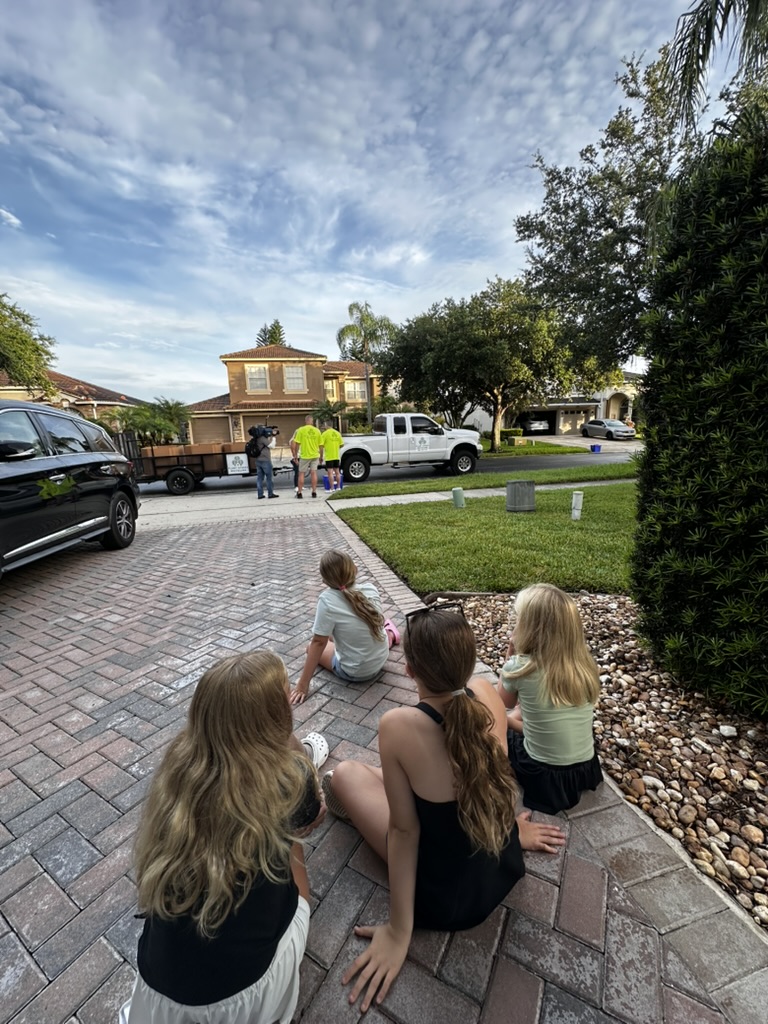
Recycling education becomes even more powerful when families connect their efforts to community programs. Many cities offer recycling services that make it easier for residents to participate in sustainable waste management.
Local recycling centers often accept materials such as:
• Paper and cardboard
• Aluminum and steel cans
• Plastic containers
• Glass bottles and jars
Families can involve children in taking recyclables to drop-off centers or participating in community clean-up events. These experiences show children that recycling is not just a household activity but part of a larger effort to protect the environment.
Community programs also help children understand how cooperation leads to meaningful change. When entire neighborhoods participate in recycling efforts, the environmental impact becomes much greater.
Schools, churches, and youth organizations often host recycling drives or sustainability initiatives. Participating in these events allows children to see how their actions contribute to a broader community mission.
Through community involvement, children learn that sustainability requires teamwork and shared responsibility.
How Schools Reinforce Recycling Habits
While families play a major role in teaching kids about recycling, schools also contribute significantly to environmental education. Many schools incorporate sustainability lessons into science, social studies, and environmental programs. These lessons help children understand how recycling fits into the larger picture of protecting the planet.
School recycling programs often provide students with hands-on experience sorting waste and learning about recyclable materials. Some schools have designated recycling stations in classrooms and cafeterias, allowing students to practice sustainable habits throughout the day.
Teachers may also introduce environmental projects that encourage students to think critically about waste. For example, students might conduct classroom waste audits to see how much material could be recycled instead of thrown away. These activities help students see the real-world impact of their actions.
Environmental clubs and sustainability groups are another way schools promote recycling awareness. These organizations often organize recycling drives, clean-up events, and awareness campaigns that encourage the entire school community to participate.
Field trips to recycling facilities, landfills, or environmental centers can also strengthen students’ understanding of waste management. Seeing how recycling systems operate in real life helps children understand the scale of environmental challenges and the importance of responsible resource management.
When schools and families work together to reinforce recycling habits, children receive consistent messages about sustainability. This consistency helps turn recycling into a lifelong habit rather than a temporary activity.
Building Lifelong Sustainability Habits
One of the most valuable outcomes of teaching kids about recycling is the development of lifelong sustainability habits. Children who grow up understanding the importance of environmental responsibility are more likely to carry those values into adulthood.
These habits extend beyond recycling itself. Children who learn about sustainability often become more conscious of other environmental behaviors, such as conserving water, reducing energy consumption, and choosing environmentally friendly products.
Parents can encourage these habits by continuing conversations about environmental responsibility as children grow older. For example, families can discuss how everyday choices—such as transportation, food consumption, and product packaging—affect the environment.
Older children and teenagers may also become interested in environmental advocacy. Some students participate in school environmental clubs, volunteer with community clean-up initiatives, or pursue studies related to environmental science.
Encouraging children to think about sustainability as a long-term responsibility helps them understand their role in shaping the future. Rather than seeing environmental protection as someone else’s responsibility, they begin to recognize their own ability to make a difference.
Families that prioritize recycling education are planting the seeds for a generation that values conservation, responsible consumption, and environmental stewardship.
The Long-Term Environmental Impact of Recycling Education
Teaching children about recycling may seem like a small step, but its long-term impact can be significant. When young people develop sustainable habits early in life, those behaviors often influence the communities around them.
Children frequently bring recycling lessons home from school and encourage their families to participate in sustainable practices. In this way, environmental education can spread beyond the classroom and into households across a community.
As children grow older, they carry these values into workplaces, neighborhoods, and leadership roles. A generation that understands the importance of sustainability is more likely to support environmentally responsible policies, businesses, and community initiatives.
Recycling education also helps shift cultural attitudes toward waste. Instead of viewing disposable products as normal, people begin to question unnecessary waste and seek alternatives that reduce environmental harm.
Over time, these cultural shifts can lead to improvements in recycling infrastructure, waste reduction strategies, and resource conservation efforts.
The long-term benefits of recycling education extend far beyond individual households. By teaching children about sustainability today, families are helping create a future where environmental responsibility is a shared priority.
Teaching kids about recycling is one of the most meaningful ways families can contribute to environmental sustainability. Through simple daily habits, creative activities, and thoughtful conversations, parents can help children develop a deep understanding of how their actions affect the planet.
Recycling education empowers children to see themselves as active participants in protecting the environment. By sorting recyclables, reducing waste, and reusing materials, kids learn that small choices can have a powerful impact.
Families that prioritize sustainability also help build stronger communities. When neighbors, schools, and local organizations work together to promote recycling, the collective impact becomes much greater.
Perhaps most importantly, teaching kids about recycling helps shape the next generation of environmental stewards. Children who understand the value of conservation are more likely to carry those principles into adulthood, influencing businesses, policies, and communities for years to come.
By making recycling a regular part of family life, parents can inspire children to care for the world around them. These small actions today can lead to a cleaner, healthier planet for future generations.