

10 Recycling Myths Central Florida Residents Can Easily Avoid
January 2, 2026
Teaching Kids About Recycling: Simple Ways Families Can Help the Planet
March 6, 2026Recycling doesn’t have to feel confusing, inconvenient, or like another thing on an already full family to-do list. In fact, when done the right way, winter garden recycling can become a simple, meaningful part of everyday life, one that teaches children responsibility, protects our local environment, and strengthens the Winter Garden community as a whole.
Winter Garden is a growing city filled with families who care deeply about their neighborhoods, schools, and local businesses. As our community grows, so does the amount of waste we produce. Learning how to recycle properly, and teaching our kids to do the same, is one of the most practical ways families can make a positive local impact starting right at home.
This guide is designed to help families understand how winter garden recycling works, why it matters, and how to build simple habits that actually stick. Whether you’re new to the area or have lived here for years, small changes can make a big difference.
Why Winter Garden Recycling Matters for Families
Recycling is often talked about in big-picture terms, landfills, climate change, sustainability, but for families, the impact is much closer to home. Winter garden recycling directly affects the cleanliness of our neighborhoods, the cost of city services, and the world our children are growing up in.
When recycling is done incorrectly, entire loads can be contaminated and sent to the landfill instead. This increases disposal costs for the city and wastes valuable recyclable materials. On the other hand, when families recycle correctly, it helps Winter Garden operate more efficiently and responsibly.
For kids especially, recycling is a powerful teaching tool. It shows them that their everyday choices matter. It builds awareness, accountability, and pride in their community. When recycling becomes routine at home, children grow up seeing it as normal, not optional.
Understanding How Winter Garden Recycling Works
Before building good habits, it’s important to understand the basics of winter garden recycling. Many families want to recycle correctly but aren’t always sure what belongs in the bin and what doesn’t.
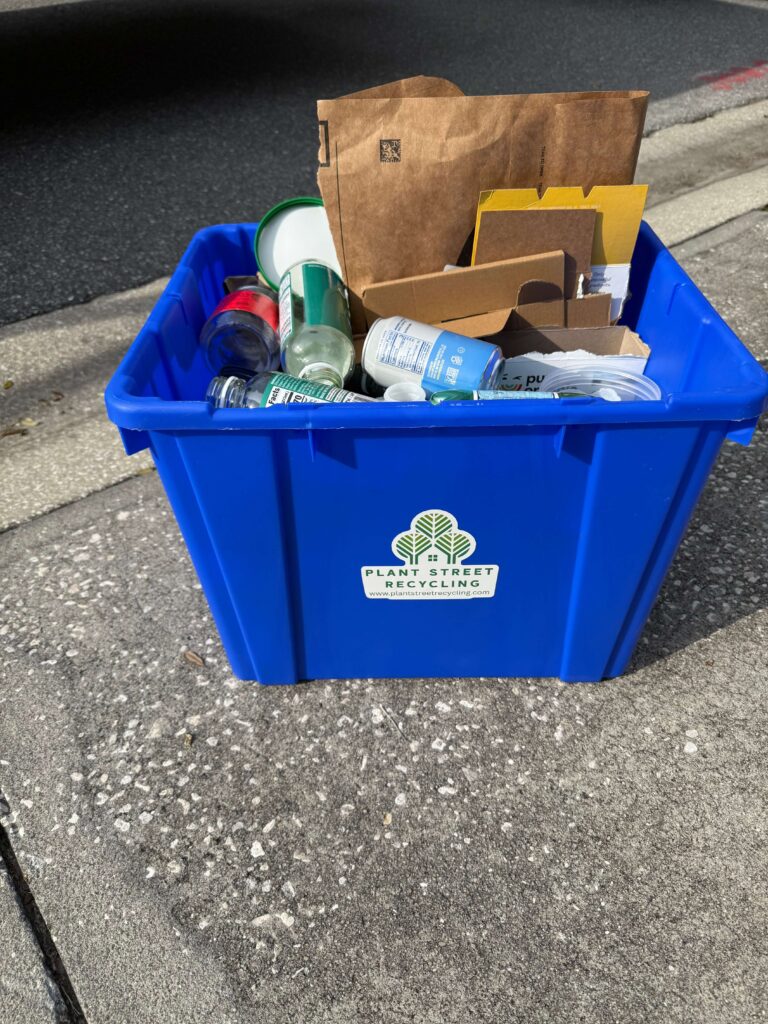
Winter Garden offers curbside recycling services for many households, but not everything is accepted. Common recyclable items typically include:
- Cardboard and paper products
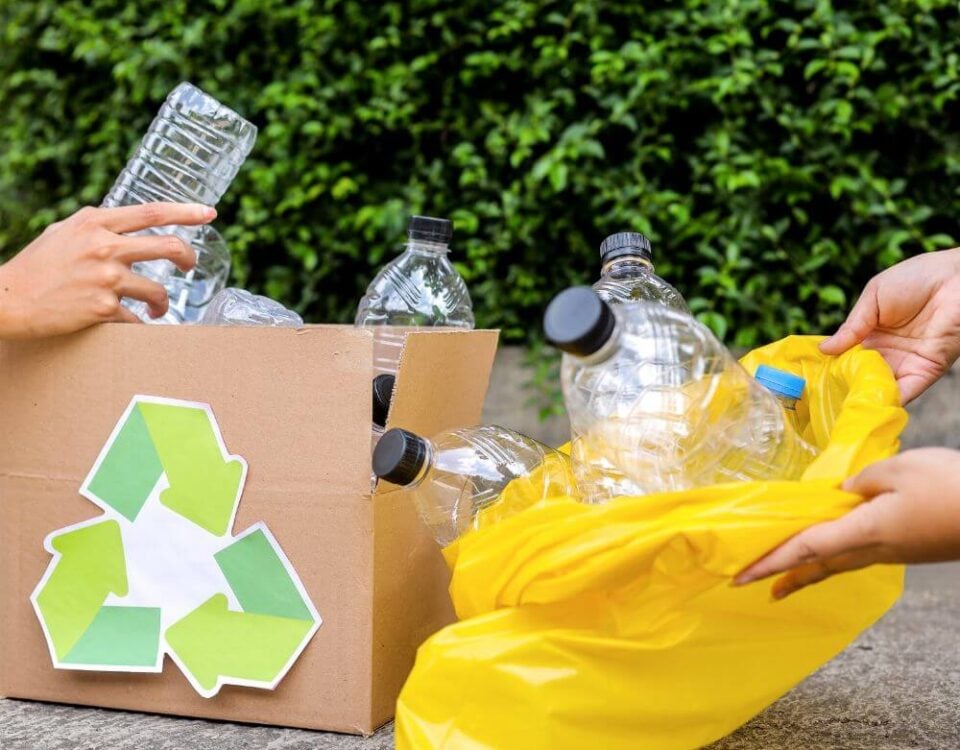
- Plastic bottles and containers (clean and empty)
- Aluminum and steel cans
- Glass bottles and jars
However, items like plastic bags, greasy pizza boxes, food waste, electronics, and certain types of packaging often do not belong in curbside recycling. These items require special handling or drop-off locations.
One of the biggest challenges in winter garden recycling is something called wish-cycling, when people put items in the recycling bin hoping they’re recyclable. Unfortunately, this often causes more harm than good.
Common Recycling Mistakes Families Make (and How to Fix Them)
Even the most well-intentioned families make recycling mistakes. The good news? Most are easy to fix with a little clarity.
Putting Items in Plastic Bags
Unlike many curbside programs, we do accept plastic bags. Instead of placing them in your household recycling bin, bring your clean, dry plastic bags to us. We collect them and take them to the Oakland Nature Preserve, where they are reused or repurposed for community and environmental initiatives.
As always, please keep your recyclables loose and avoid placing items inside tied plastic bags in your curbside bin.
Not Rinsing Containers
Food residue is one of the biggest contamination issues in winter garden recycling. Containers don’t need to be spotless, but they should be empty and rinsed.
Recycling Items “Just in Case”
If you’re not sure an item is recyclable, it’s better to leave it out. When in doubt, throw it out or look for a specialty recycling option.
Teaching kids these basics early helps prevent confusion and builds lifelong habits.
Making Recycling Easy at Home (Even with Kids)
One of the biggest reasons families struggle with recycling is that their system at home doesn’t work for their lifestyle. The key to successful winter garden recycling is simplicity.
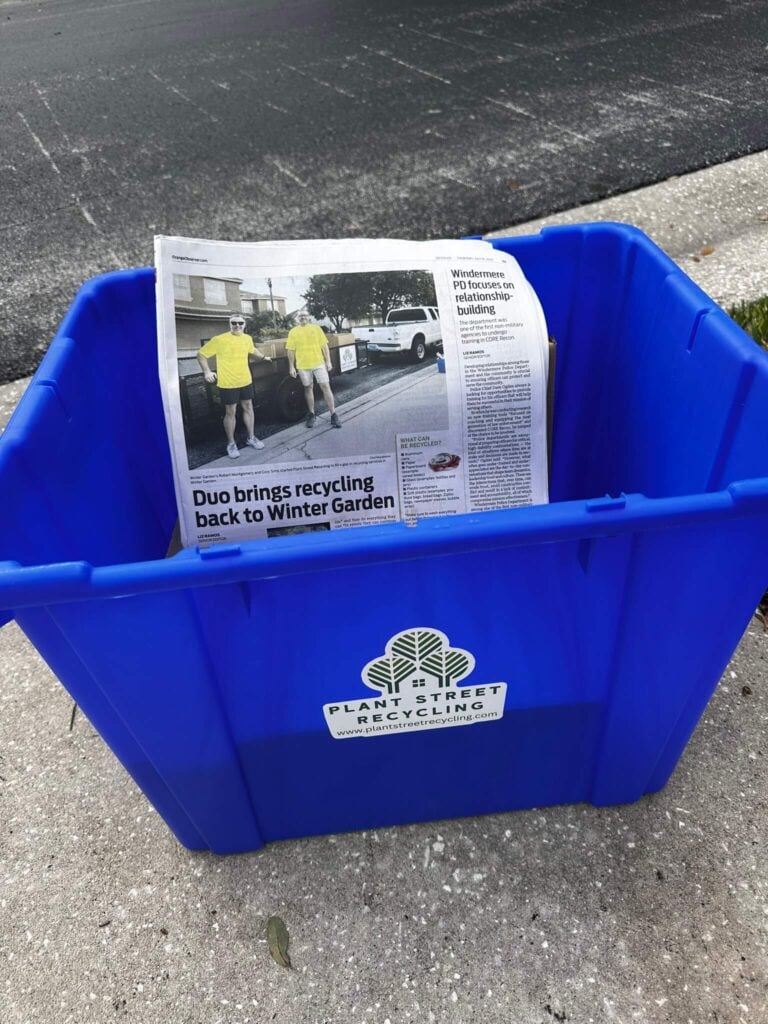
Create a Clear Recycling Station
Instead of one mystery bin, label containers clearly:
- Recycling
- Trash
- (Optional) Specialty items like batteries or plastic bags
Visual labels help kids know exactly where things go without asking.
Keep Recycling Where Life Happens
If most messes happen in the kitchen, your recycling bins should live there too. Convenience matters, especially with busy schedules.
Make Recycling Part of the Routine
Tie recycling into everyday habits. After dinner cleanup, after school snacks, or weekend chores are great opportunities to reinforce recycling as a normal task.
Teaching Kids Why Recycling Matters in Winter Garden
Kids are more likely to care about recycling when they understand why it matters, especially locally. Instead of focusing on abstract environmental concepts, connect recycling to Winter Garden itself.
Explain that proper winter garden recycling helps keep parks clean, reduces landfill waste near our community, and supports local sustainability efforts. Kids love knowing they’re helping their city.
Younger children respond well to simple explanations:
- “This bottle gets turned into something new.”
- “Recycling helps keep our city clean.”
- “We take care of our town together.”
Older kids can learn about how contamination affects recycling systems and why rules matter.
How Families Can Go Beyond the Curbside Bin
Curbside recycling is a great start, but it’s not the whole picture. Many items families use every day, like batteries, electronics, and certain plastics, require special recycling options.
This is where community-based solutions play a vital role in winter garden recycling. Local initiatives, drop-off programs, and educational efforts help families recycle items that curbside programs can’t accept.
By learning what goes where, families can reduce waste, recycle more responsibly, and support local efforts that keep Winter Garden moving toward a cleaner future.
Involving Schools and Teaching Recycling Leadership
For families, one of the most powerful ways to reinforce winter garden recycling habits is through schools. Children often learn best when they see consistency between home, school, and community expectations.
Many Winter Garden families already talk about recycling at home, but when kids also hear about it in classrooms, clubs, or school events, it reinforces the idea that recycling is part of everyday responsibility, not just a household rule.
Parents can encourage recycling leadership by:
- Asking schools about recycling programs or initiatives
- Volunteering to help with classroom recycling stations
- Encouraging children to be “recycling helpers” at school
- Talking with teachers about sustainability lessons
When kids feel ownership over recycling, they’re more likely to bring those habits home, and remind the rest of the family, too.
Seasonal Recycling Challenges Families Face
Every season brings different recycling challenges, and Winter Garden families are no exception. Understanding these patterns helps households adapt their winter garden recycling routines throughout the year.
Holidays and Gift Packaging
During holidays and birthdays, families often deal with extra cardboard, wrapping paper, and packaging. Not all wrapping paper is recyclable, especially foil-lined or glitter-covered paper. Teaching kids to check before tossing items into the recycling bin helps prevent contamination.
Back-to-School Season
Backpacks, binders, notebooks, and lunch supplies can create confusion. While paper products are usually recyclable, mixed materials often are not. Encourage kids to separate materials when possible.
Summer Activities
Summer often brings more bottled drinks, takeout containers, and party supplies. Reminding kids to rinse containers and recycle correctly keeps winter garden recycling on track even during busy months.
By anticipating these seasonal shifts, families can stay consistent year-round.
Special Recycling Items Families Should Know About
One of the biggest questions families have about winter garden recycling is what to do with items that don’t belong in curbside bins. These items are common in households but require special handling.
Batteries
Batteries should never go in curbside recycling or trash. They can leak chemicals and cause fires. Keep a small container at home to collect used batteries and drop them off at approved recycling locations.
Electronics
Old phones, tablets, cords, and small electronics contain valuable materials but can’t be recycled curbside. Families should look for local electronics recycling events or drop-off programs.
Cardboard (Large or Excess)
Flatten boxes before recycling. Large amounts of cardboard, especially from moving or deliveries, may need special drop-off options if they don’t fit in curbside bins.
Styrofoam
Styrofoam is one of the most confusing materials for families. Most curbside programs do not accept it, even if it has a recycling symbol. Keeping it out of the recycling bin helps protect the entire load.
Knowing how to handle these items makes winter garden recycling more effective and less frustrating.
Building Recycling Habits That Actually Stick
The secret to successful winter garden recycling isn’t perfection, it’s consistency. Families don’t need to recycle everything flawlessly to make a difference. They just need systems that work for their lifestyle.
Here are a few strategies that help habits stick:
Start Small
Focus on a few key items first, like bottles, cans, and cardboard, before expanding to specialty recycling.
Lead by Example
Kids watch what adults do. When parents recycle correctly and consistently, children follow suit.
Talk About Progress, Not Mistakes
Instead of pointing out errors, celebrate wins. Positive reinforcement builds confidence and long-term habits.
Make It Visual
Charts, stickers, or simple signs near recycling bins help younger children remember what goes where.
Over time, recycling becomes second nature, not something families have to think about constantly.
The Role of Community in Winter Garden Recycling
Recycling works best when it’s supported by the entire community. Winter garden recycling isn’t just about individual households, it’s about neighbors, schools, businesses, and local initiatives working together.
Community-based recycling efforts help fill the gaps left by curbside programs. They also provide education, resources, and opportunities for families to recycle items they otherwise couldn’t.
When families participate in local recycling initiatives, they:
- Reduce waste going to landfills
- Support cleaner neighborhoods
- Set a positive example for kids
- Strengthen community connections
Recycling becomes more meaningful when it’s shared.
How Plant Street Recycling Supports Winter Garden Families
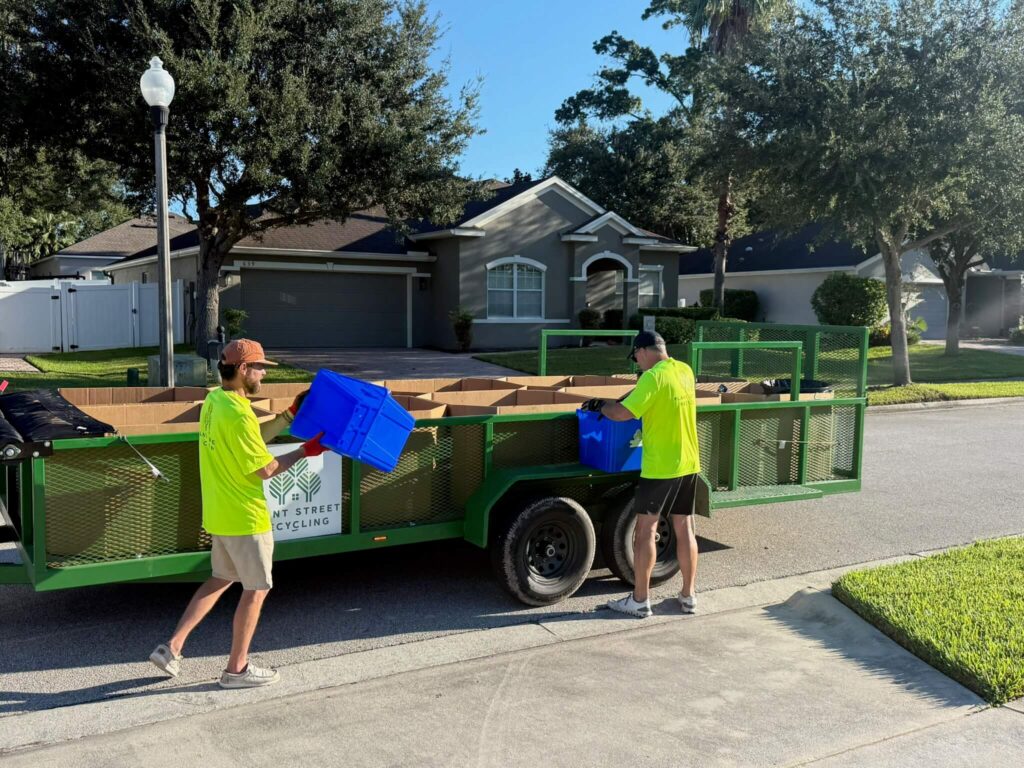
Plant Street Recycling exists to make winter garden recycling more accessible, educational, and community-focused. Families often want to recycle more but don’t know where to start, or what to do with hard-to-recycle items.
Plant Street Recycling helps bridge that gap by:
- Providing clear guidance on what can and can’t be recycled
- Offering solutions for items not accepted curbside
- Educating families on proper recycling practices
- Encouraging community participation and awareness
By working alongside families, Plant Street Recycling helps make responsible recycling easier and more impactful for everyone.
Getting Kids Involved in the Bigger Picture
Kids love being part of something bigger than themselves. When families connect recycling to community impact, children feel proud of their role in winter garden recycling.
Ideas to involve kids include:
- Letting them help sort recyclables
- Teaching them where recycled items go
- Participating in local recycling events together
- Talking about how recycling helps Winter Garden grow responsibly
These conversations help children understand that small actions at home contribute to a healthier community.
Frequently Asked Questions About Winter Garden Recycling
What items can families recycle curbside in Winter Garden?
Most curbside programs accept clean paper, cardboard, plastic bottles and containers, metal cans, and glass bottles or jars. Items should be empty and rinsed.
What should not go in Winter Garden recycling bins?
Plastic bags, food waste, greasy pizza boxes, Styrofoam, electronics, and batteries should not be placed in curbside recycling.
Why is contamination such a problem?
When non-recyclable items are placed in recycling bins, entire loads can be rejected and sent to the landfill. Proper sorting keeps winter garden recycling effective.
How can families recycle items curbside programs don’t accept?
Families can use local drop-off programs, community recycling initiatives, and specialty recycling events for items like batteries, electronics, and plastic bags.
How can kids help with recycling at home?
Kids can help by sorting recyclables, rinsing containers, learning recycling rules, and reminding family members what goes where.
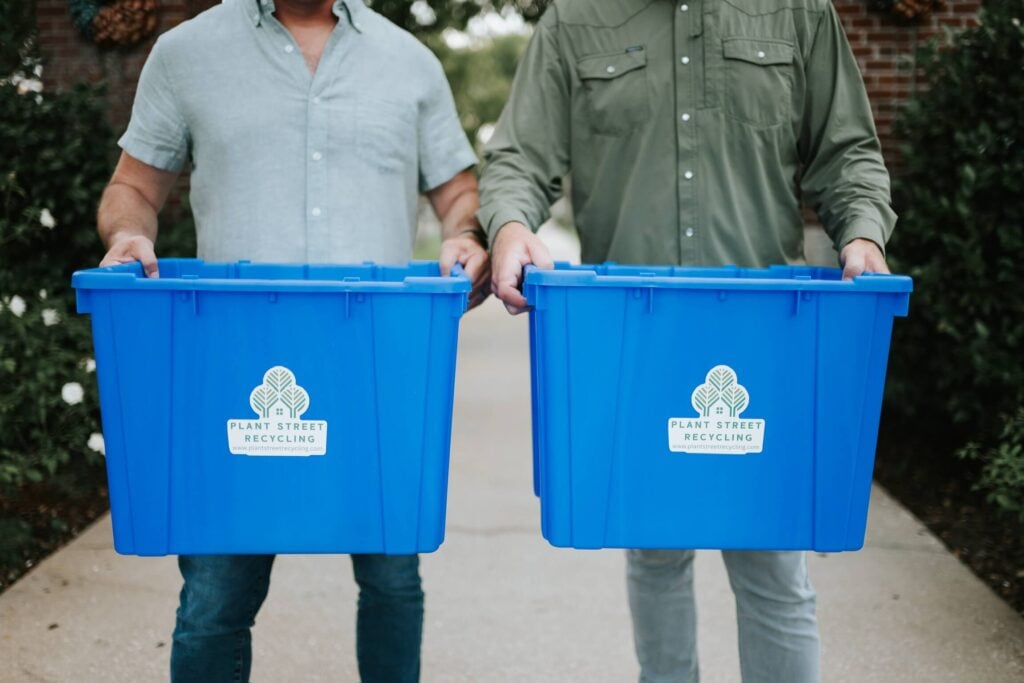
Making Winter Garden Recycling a Family Tradition
At its core, winter garden recycling is about stewardship, taking care of the place we call home and teaching the next generation to do the same. Families don’t need to be perfect recyclers to make a difference. They just need to start.
By creating simple systems, teaching kids why recycling matters, and supporting local efforts like Plant Street Recycling, families can turn everyday habits into lasting impact.
Recycling isn’t just something we do, it’s something we pass on.
Turning Everyday Choices Into Long-Term Impact
The most powerful thing about winter garden recycling is that it doesn’t require drastic lifestyle changes to make a difference. For families, the impact comes from small, repeatable actions done consistently over time.
When recycling becomes part of daily life, rinsing a bottle, flattening a box, separating specialty items, it stops feeling like a chore and starts feeling like second nature. Children grow up understanding that caring for their city is simply part of being a good neighbor.
Winter Garden is a community built on connection, growth, and pride in where we live. Recycling supports all three. It keeps our neighborhoods cleaner, reduces unnecessary waste, and teaches kids that they have a role to play in shaping the future of their city.
Families don’t have to do everything perfectly. What matters is starting, learning, and improving together.
How Families Can Take the Next Step
If your family is already recycling curbside, you’re off to a great start. The next step is learning how to recycle smarter and support local efforts that expand what’s possible beyond the bin.
Families can:
- Stay informed about proper winter garden recycling practices
- Ask questions instead of guessing
- Use community resources for hard-to-recycle items
- Talk openly with kids about why recycling matters locally
When families participate together, recycling becomes more than a habit, it becomes a shared value.
A Community Effort That Starts at Home
Plant Street Recycling believes that effective winter garden recycling starts with education, accessibility, and community involvement. Families are at the heart of that mission.
By making recycling part of everyday life, families help:
- Reduce landfill waste
- Improve recycling efficiency
- Set positive examples for children
- Strengthen Winter Garden as a whole
Every bottle recycled correctly, every box flattened, and every child taught why it matters contributes to a cleaner, more responsible future for our city.
Winter Garden’s growth depends on how well we care for it, and that care begins at home.



2 Comments
I’d like to know what you do with the materials you collect. What arrangements do you have for ultimate disposal.
Thank you for this great question, Kathy. Our secret to success is our hand-sorting process. This ensures we put everything we collect in the right bins as this ensures nothing goes to landfill. After we hand-sort on our trailer, we take everything back to our warehouse and sort one more time before we take what we collect to the correct facility. From plastic bags going to Oakland Nature Preserve for their park bench program, to crushing glass ourselves and taking it to be used as an asphalt aggregate, we take the extra step to make sure we keep our promise to you and the city and recycle what we collect.