Why Winter Garden Needed Plant Street Recycling and What’s Next
December 8, 2025
How Families Can Make Winter Garden Recycling Part of Everyday Life
February 2, 2026Recycling feels like one of those things we should all understand by now. After all, blue bins have been around for decades, sustainability is a constant topic online, and most of us genuinely want to do the right thing for our planet.
And yet… we still see the same recycling mistakes over and over again across Central Florida.
At Plant Street Recycling, we work directly with our local community every week. We see what people bring, how they sort, and where confusion still exists, even among well-meaning residents who care deeply about the environment. The truth is, recycling rules aren’t always as simple as they seem, and misinformation spreads quickly.
So let’s clear the air.
In this post, we’re tackling the biggest recycling myths we still see in Central Florida, why they persist, why they matter, and what you can do instead. Whether you’re a seasoned recycler or just getting started, this guide will help you recycle smarter, not harder.
Why Recycling Myths Are So Common in Central Florida
Before we jump into specific myths, it helps to understand why confusion around recycling is so widespread, especially in our region.
Central Florida is unique. We’re a fast-growing area with residents coming from all over the country, each bringing different recycling rules from their previous cities. What was accepted in one state may be rejected in another. Add in seasonal residents, short-term rentals, and constant population growth, and you get a perfect storm of mixed messages.
On top of that, recycling guidelines have changed over time. Materials that were once accepted may no longer be recyclable due to market shifts, contamination issues, or processing limitations. Unfortunately, many people are still following outdated advice they learned years ago.
The result? Good intentions paired with incorrect actions, what the recycling industry calls wishcycling.
Myth #1: “If It Has a Recycling Symbol, It’s Recyclable”
This is one of the most common, and most damaging, recycling myths we see.
That little triangle symbol stamped on plastic packaging gives people a sense of confidence. Surely, if it has the symbol, it belongs in the recycling bin… right?
Not necessarily.
The recycling symbol (often with a number inside) does not guarantee that an item can be recycled in your local program. It simply identifies the type of plastic used. Many plastics, especially those labeled #3, #6, or #7, are rarely recyclable in Central Florida due to limited processing options.
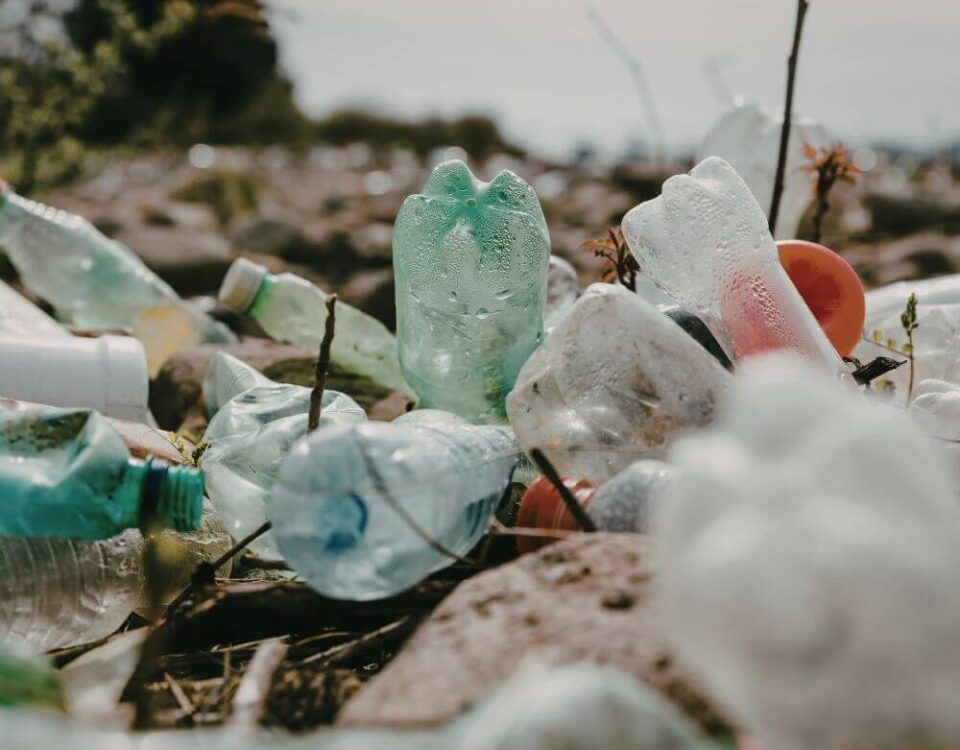
When non-recyclable plastics enter the recycling stream, they can contaminate entire batches of otherwise recyclable material. In some cases, that means everything gets sent to the landfill.
What to do instead:
Always follow local recycling guidelines, not packaging labels alone. When in doubt, ask, or leave it out.
Myth #2: “One Dirty Item Won’t Hurt the Load”
We hear this one all the time: “It’s just a little food residue, surely that won’t matter.”
Unfortunately, it does.
Food contamination is one of the biggest reasons recycling gets rejected. Grease, liquids, and food scraps can soak into paper and cardboard, making them unrecyclable. Even a single dirty container can compromise nearby items during processing.
Think of it like laundry. One greasy rag tossed into a load of clean clothes can ruin everything.
What to do instead:
A quick rinse is usually enough. You don’t need spotless containers, just remove food residue and liquids before recycling.
Myth #3: “Everything Plastic Goes in the Recycling Bin”
Plastic is tricky, and this myth causes a lot of confusion in Central Florida.
Plastic bags, grocery sacks, shrink wrap, bubble wrap, and food wrappers look recyclable, but most are not accepted in standard recycling programs. These items tangle in sorting machines, causing costly shutdowns and delays.
Plastic bags are especially problematic. They don’t belong in curbside bins or drop-off containers unless explicitly labeled as accepted.
What to do instead:
Take plastic bags and film to designated retail drop-off locations, or avoid them altogether when possible by choosing reusable alternatives.
Myth #4: “Recycling Is Pointless Because It All Goes to the Landfill Anyway”
This myth is understandable, but it’s also one of the most discouraging.
People hear stories online claiming recycling is a scam or that everything ends up in a landfill regardless. While it’s true that contaminated loads may be discarded, properly sorted, clean recycling does get processed and reused.
At Plant Street Recycling, transparency matters. Materials that meet guidelines are sent to responsible processing partners. When recycling is done right, it conserves resources, reduces landfill waste, and supports a circular economy.
The real problem isn’t recycling, it’s contamination.
What to do instead:
Recycle fewer items, but recycle them correctly. Quality matters more than quantity.
Myth #5: “Cardboard Is Always Recyclable”
Cardboard is one of the most valuable recyclable materials, but not all cardboard is created equal.
Pizza boxes, for example, are often greasy and food-soaked, making them unsuitable for recycling. Wax-coated cardboard and heavily soiled boxes also don’t belong in the bin.
That said, clean cardboard is one of the easiest and most impactful items to recycle.
What to do instead:
Break down boxes, remove food residue, and recycle only clean, dry cardboard.
Myth #6: “Glass Is Easy to Recycle Everywhere”
Glass seems like one of the most straightforward recycling materials. It’s made from natural resources, it can be recycled repeatedly, and it feels inherently eco-friendly. Because of that, many Central Florida residents assume glass is always welcome in recycling bins.
The reality is more complicated.
Glass recycling depends heavily on local infrastructure. In some areas, glass is accepted curbside. In others, it requires separate drop-off. And in many regions, including parts of Central Florida, glass contamination or breakage during transport makes recycling it far more difficult than people realize.
Broken glass can damage sorting equipment and contaminate other recyclable materials. Different colors of glass also require different processing methods, which not all facilities can accommodate.
What to do instead:
Always check your local recycling guidelines before recycling glass. When glass is accepted, make sure it’s empty, rinsed, and placed in the correct container.
Myth #7: “Biodegradable or Compostable Items Can Go in Recycling”
Words like biodegradable, eco-friendly, and compostable sound like recycling green lights, but they’re often misleading.
Many compostable products, including utensils, cups, and packaging, are designed for industrial composting facilities, not recycling centers. When these items end up in recycling streams, they can contaminate loads because they don’t break down the same way as traditional recyclable materials.
Even worse, compostable plastics often look nearly identical to recyclable plastics, making them difficult to identify during sorting.
What to do instead:
Compost compostable items when possible. If you don’t have access to composting, these items typically belong in the trash, not recycling.
Myth #8: “Leaving Labels On Doesn’t Matter”
This one surprises a lot of people.
While many modern recycling facilities can handle paper labels, some adhesives, shrink sleeves, and multi-material labels still cause issues, especially on plastic containers. Labels that don’t separate cleanly can interfere with processing or contaminate materials.
Shrink-wrap labels on bottles are especially problematic, as they can misclassify the plastic type during automated sorting.
What to do instead:
When possible, remove labels and caps, especially on plastic containers. A few extra seconds of prep can significantly improve recyclability.
Myth #9: “Small Items Are Fine to Toss In”
Caps, straws, bottle lids, utensils, and tiny plastic pieces often find their way into recycling bins because they feel recyclable.
But here’s the problem: many recycling machines are designed to sort items above a certain size. Small items fall through screens, get stuck in machinery, or end up in the wrong stream altogether.
This is especially true for items like plastic cutlery, coffee pod lids, and snack wrappers.
What to do instead:
If an item is smaller than a credit card, it usually doesn’t belong in the recycling bin unless explicitly stated otherwise.
Myth #10: “Recycling More Is Always Better”
This might be the most surprising myth of all.
We often hear people say, “I recycle everything just to be safe.” While well-intentioned, this approach actually creates more harm than good.
Over-recycling leads to contamination, higher processing costs, and increased landfill diversion when entire loads are rejected. Recycling programs thrive on accuracy, not volume.
What to do instead:
When in doubt, throw it out, or ask first. Clean, correct recycling beats overfilled, contaminated bins every time.
The Real Cost of Recycling Contamination
Let’s talk about what actually happens when recycling goes wrong.
Contaminated loads can:
- Be rejected and sent directly to landfills
- Increase operational costs for recycling programs
- Slow down sorting operations
- Reduce trust in community recycling efforts
In Central Florida, where population growth continues at a rapid pace, these issues scale quickly. What seems like a small mistake at home becomes a big problem across thousands of households.
That’s why education matters, and why Plant Street Recycling focuses on community awareness as much as collection.
What Happens to Your Recycling After Drop-Off?
One of the biggest reasons myths persist is that people rarely see what happens after recycling leaves their hands.
Once materials are collected, they’re:
- Transported to a sorting facility
- Separated by material type using screens, magnets, and optical scanners
- Checked for contamination
- Baled and sent to processors who turn them into new products
When materials are clean and correctly sorted, they can become:
- New cardboard boxes
- Aluminum cans
- Construction materials
- Packaging products
When they’re contaminated, they often don’t make it past step three.
Why Central Florida Faces Unique Recycling Challenges
Recycling myths hit Central Florida harder than many areas due to:
- High population turnover
- Seasonal residents and tourists
- Short-term rentals with unclear guidelines
- Rapid community growth
These factors make consistent education essential. Clear, simple rules, and community-based programs, help close the gap between good intentions and real impact.
How Plant Street Recycling Is Helping Break These Myths
At Plant Street Recycling, we believe recycling should be:
- Accessible
- Transparent
- Community-driven
We don’t expect perfection, but we do believe informed communities make better choices. Every conversation, blog post, and drop-off interaction is a chance to replace myths with understanding.
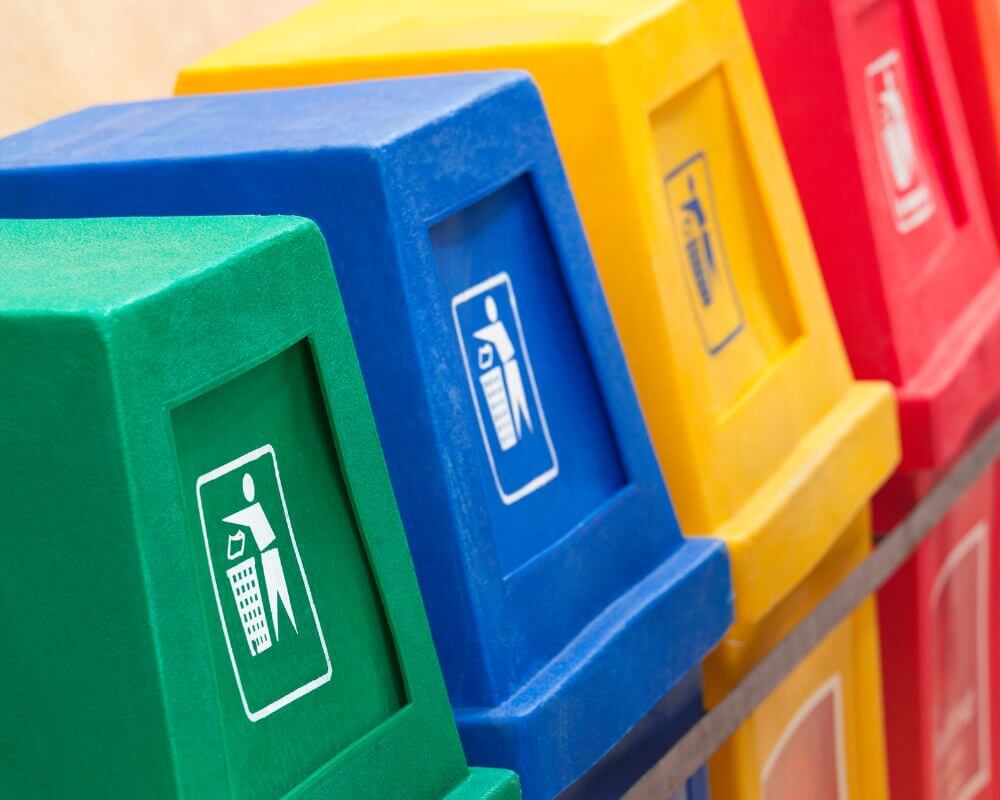
The Most Surprising Items People Try to Recycle in Central Florida
Even after years of recycling education, we still see some truly surprising items show up in bins across Central Florida. These aren’t careless mistakes, most come from people who genuinely believe they’re doing the right thing.
Here are some of the most common “almost recyclables” we see:
• Garden hoses & extension cords
While made of plastic and metal, these items wrap around sorting equipment and can shut down entire facilities.
• Clothing & textiles
Fabric doesn’t belong in standard recycling streams. While donation or textile recycling programs may exist, curbside bins aren’t the place for them.
• Electronics & batteries
These are not only unrecyclable in standard programs, they’re dangerous. Batteries can spark fires during processing.
• Coffee cups
Even paper cups often have plastic linings that make them unrecyclable.
• Holiday lights & decorations
Wires, mixed materials, and small parts cause major sorting issues.
If you’re unsure about an item, pause before tossing it in the bin. When in doubt, ask, or leave it out.
Simple Recycling Rules to Remember (When You’re Standing at the Bin)
Recycling doesn’t have to be complicated. Here are a few easy rules that work in most Central Florida recycling programs:
- Clean, dry, and empty beats dirty and questionable
- If it’s smaller than a credit card, don’t recycle it
- No bags, cords, or tanglers
- When in doubt, throw it out
These simple habits dramatically reduce contamination and help ensure recyclable materials actually get recycled.
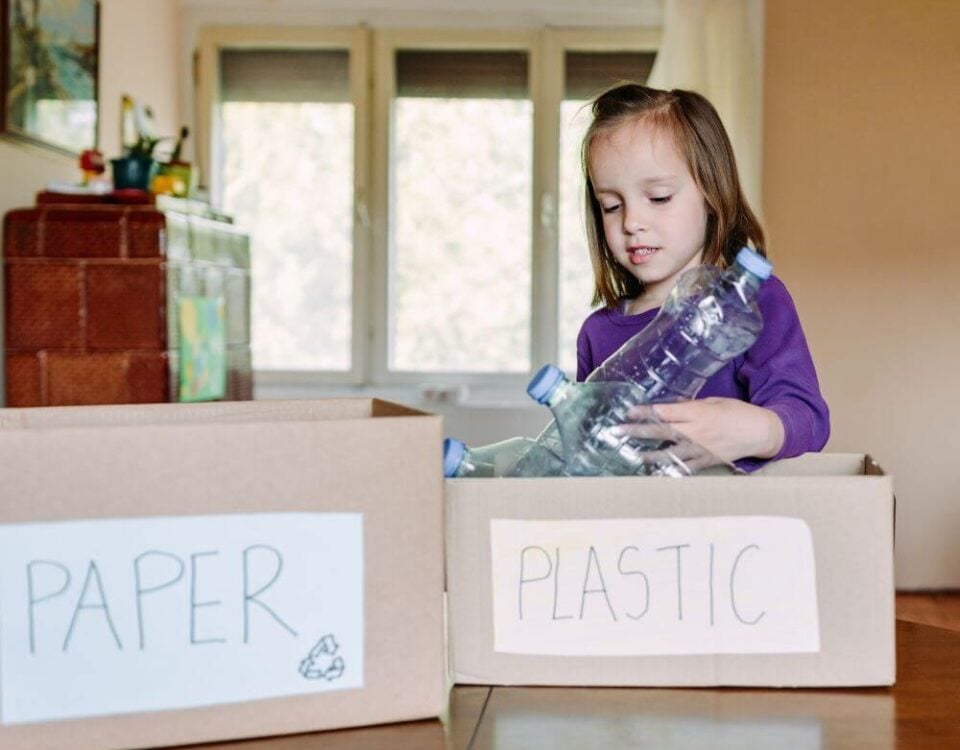
Recycling Better as a Family (Without the Stress)
For families, recycling often feels like just one more thing to manage. The good news? It doesn’t have to be perfect to be effective.
Here are a few realistic ways families can recycle better:
- Keep a small rinse station near the sink
- Post a simple “yes/no” list near the bin
- Teach kids why recycling matters, not just how
- Focus on a few key materials rather than everything
Recycling works best when it’s sustainable for your lifestyle, not when it becomes overwhelming.
Why Community-Based Recycling Makes a Difference
Large, regional recycling programs often struggle with transparency. Residents don’t know where materials go, what’s accepted, or whether their efforts matter.
Community-based recycling programs change that.
When recycling stays local:
- Education is clearer
- Guidelines are consistent
- Accountability improves
- Trust increases
At Plant Street Recycling, we believe community engagement is just as important as collection itself. When people understand the why, recycling becomes a shared responsibility, not a guessing game.
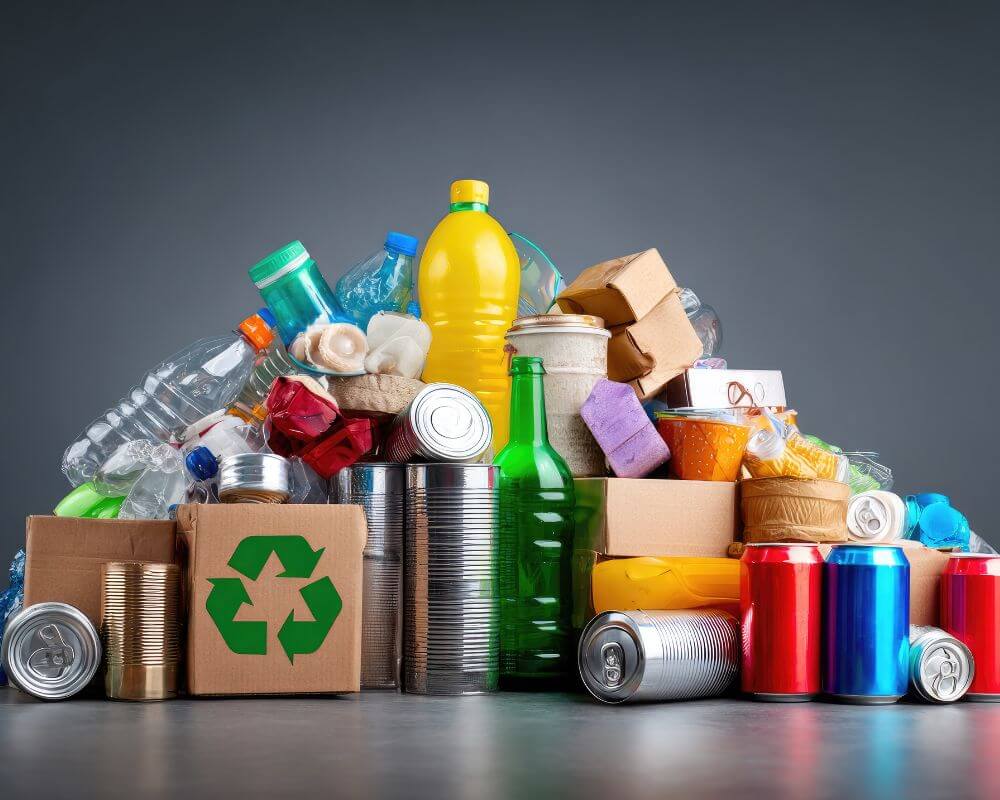
Recycling Isn’t Broken, Misinformation Is
Recycling works when it’s done correctly. The real challenge isn’t laziness or lack of care, it’s outdated advice, mixed messages, and persistent myths.
By recycling fewer items more intentionally, Central Florida communities can:
- Reduce landfill waste
- Lower contamination rates
- Improve recycling efficiency
- Build long-term sustainability
Every clean container, every correct decision, and every informed choice adds up.
Let’s Keep Central Florida Clean Together
Recycling isn’t about being perfect. It’s about being informed.
At Plant Street Recycling, we’re proud to be part of a community that cares enough to ask questions, learn, and do better. When we replace myths with understanding, we create real environmental impact, right here at home.
If you ever have questions about what belongs in your recycling bin, we’re here to help. Because the best recycling system is one the whole community understands.